Death Valley National Park Weather by Month
Death Valley National Park is famous for its extreme climate—home to some of the hottest temperatures ever recorded on Earth. However, weather conditions vary significantly throughout the year. Here’s a clear month-by-month breakdown to help you plan your trip.
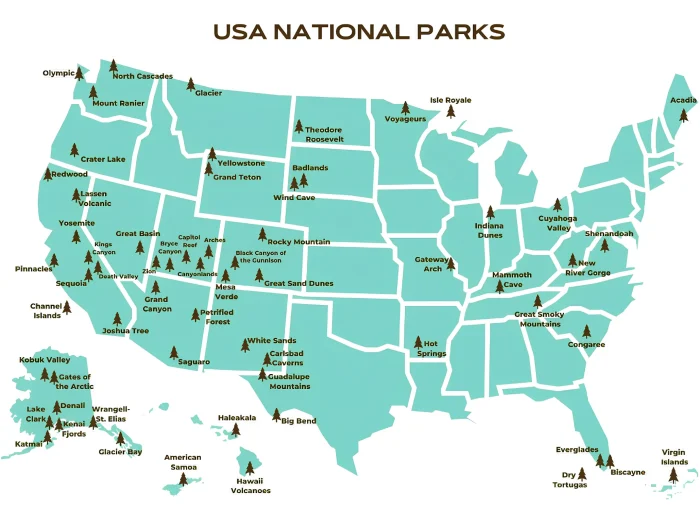
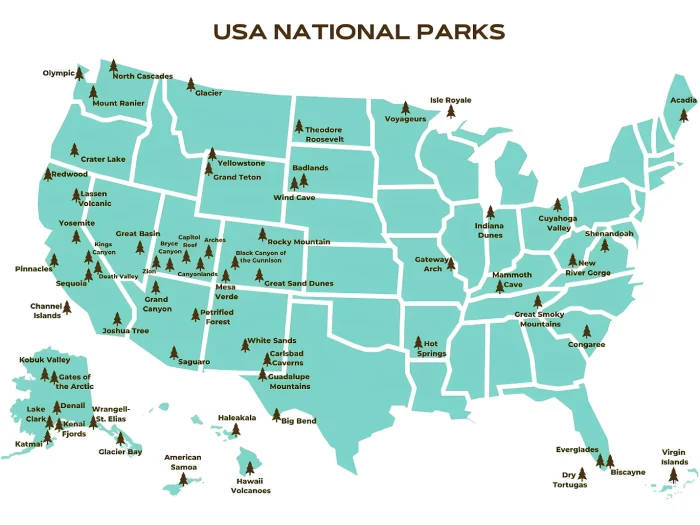
You can click the image below to view the full-size weather chart for Death Valley National Park.
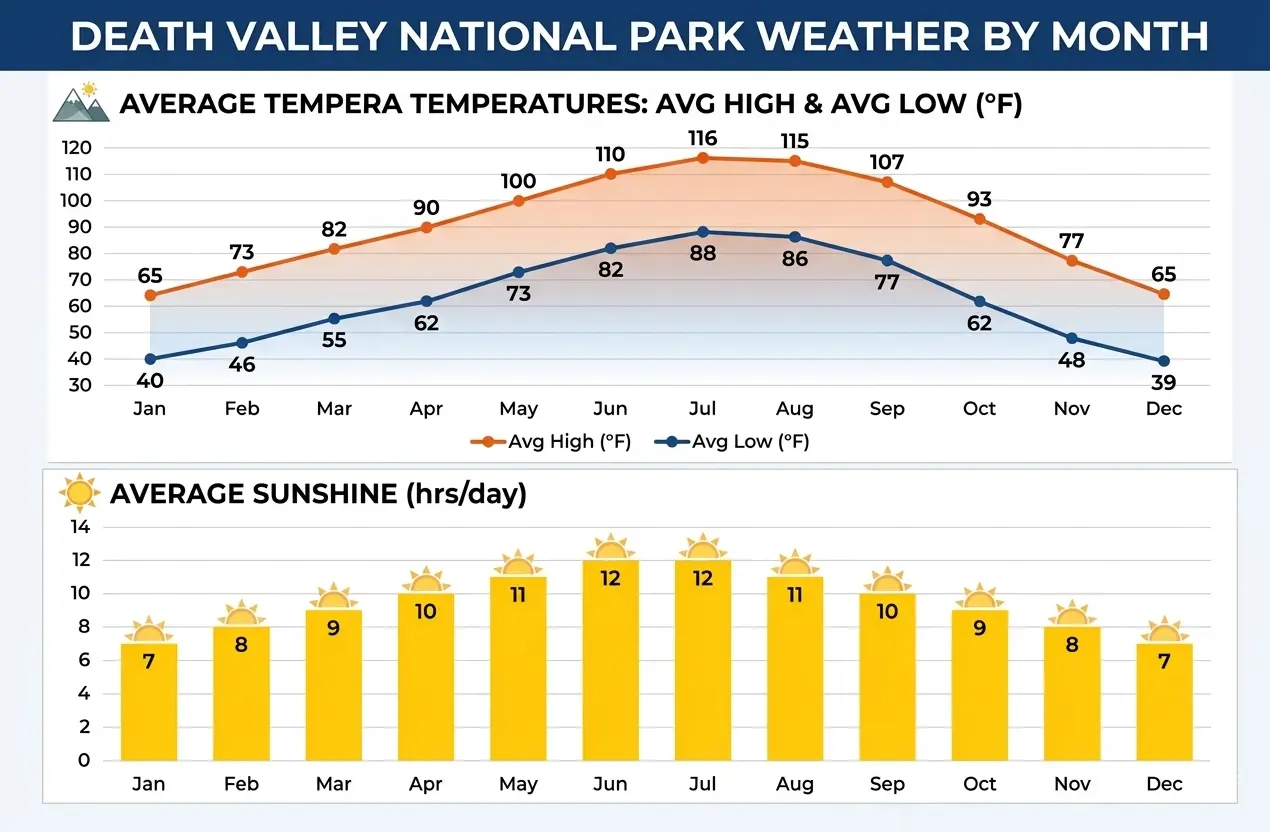
January – Cool and Comfortable
- Average High: ~65°F (18°C)
- Average Low: ~40°F (4°C)
- What to Expect: Mild daytime temperatures, chilly nights
- Best For: Hiking, sightseeing
January is one of the most pleasant months to visit, with cool air and great conditions for outdoor activities.
February – Early Signs of Spring
- Average High: ~73°F (23°C)
- Average Low: ~46°F (8°C)
- What to Expect: Slightly warmer, possible early wildflowers
- Best For: Scenic drives, light hiking
Wildflower season may begin if winter rainfall has been sufficient.
March – Peak Season
- Average High: ~82°F (28°C)
- Average Low: ~55°F (13°C)
- What to Expect: Ideal weather, blooming landscapes
- Best For: Wildflowers, hiking, photography
March is one of the best times to visit due to comfortable temperatures and potential “super bloom.”
April – Warm but Pleasant
- Average High: ~90°F (32°C)
- Average Low: ~62°F (17°C)
- What to Expect: Warmer days, cool nights
- Best For: Exploring before summer heat
April offers a balance between warmth and comfort.
May – Heat Begins
- Average High: ~100°F (38°C)
- Average Low: ~73°F (23°C)
- What to Expect: Hot days, lower crowds
- Best For: Early morning or evening activities
Temperatures rise quickly, making midday activities less comfortable.
June – Very Hot
- Average High: ~110°F (43°C)
- Average Low: ~82°F (28°C)
- What to Expect: Extreme heat, dry air
- Best For: Scenic drives only
Outdoor activity becomes risky, especially during the day.
July – Peak Heat
- Average High: ~116°F (47°C)
- Average Low: ~88°F (31°C)
- What to Expect: Dangerous heat levels
- Best For: Experienced travelers only
This is the hottest month, with temperatures often exceeding 120°F (49°C).
August – Scorching Continues
- Average High: ~115°F (46°C)
- Average Low: ~86°F (30°C)
- What to Expect: Extreme heat, occasional thunderstorms
- Best For: Limited activity
Flash floods can occur due to rare summer storms.
September – Gradual Cooling
- Average High: ~107°F (42°C)
- Average Low: ~77°F (25°C)
- What to Expect: Still hot but improving
- Best For: Evening exploration
Temperatures begin to drop, especially at night.
October – Comfortable Again
- Average High: ~93°F (34°C)
- Average Low: ~62°F (17°C)
- What to Expect: Pleasant weather returns
- Best For: Hiking, camping
October marks the return of ideal travel conditions.
November – Mild and Quiet
- Average High: ~77°F (25°C)
- Average Low: ~48°F (9°C)
- What to Expect: Mild days, cool nights
- Best For: Relaxed exploration
Fewer crowds make this a great time to visit.
December – Cool and Peaceful
- Average High: ~65°F (18°C)
- Average Low: ~39°F (4°C)
- What to Expect: Crisp air, calm atmosphere
- Best For: Scenic views, stargazing
December offers a quiet and serene desert experience.
Death Valley National Park Weather by Month
| Month | Avg High (°F) | Avg Low (°F) | Rainfall (inches) | Sun (hrs/day) |
|---|---|---|---|---|
| January | 65 | 40 | 0.60 | 7 |
| February | 73 | 46 | 0.50 | 8 |
| March | 82 | 55 | 0.30 | 9 |
| April | 90 | 62 | 0.10 | 10 |
| May | 100 | 73 | 0.10 | 11 |
| June | 110 | 82 | 0.00 | 12 |
| July | 116 | 88 | 0.20 | 12 |
| August | 115 | 86 | 0.30 | 11 |
| September | 107 | 77 | 0.20 | 10 |
| October | 93 | 62 | 0.10 | 9 |
| November | 77 | 48 | 0.20 | 8 |
| December | 65 | 39 | 0.40 | 7 |
Best Time to Visit
- Ideal Months: February to April, October to November
- Avoid: June through August (extreme heat)
- Wildflowers: Typically March (depends on rainfall)
20 FAQs about weather in Death Valley National Park:
1. How hot does Death Valley get?
Death Valley regularly exceeds 120°F (49°C) in summer, making it one of the hottest places on Earth.
2. What is the hottest month in Death Valley?
July is typically the hottest month, followed closely by August.
3. What is the coldest month in Death Valley?
December and January are the coldest months, with cool days and chilly nights.
4. Does it ever snow in Death Valley?
Snow is extremely rare on the valley floor but can occur in the surrounding mountains during winter.
5. When is the best time to visit for good weather?
The best months are February to April and October to November.
6. Is Death Valley safe to visit in summer?
It can be dangerous due to extreme heat. Visitors should avoid outdoor activities during midday and stay hydrated.
7. How much rain does Death Valley get?
Death Valley receives less than 2 inches (50 mm) of rain per year, making it one of the driest places in North America.
8. Does Death Valley have a rainy season?
There is no true rainy season, but slight increases occur in winter and late summer.
9. Are there thunderstorms in Death Valley?
Yes, summer thunderstorms can occur and sometimes cause flash floods.
10. How many sunny days does Death Valley have?
Death Valley enjoys over 300 sunny days per year.
11. What is the weather like in winter?
Winter is mild and pleasant during the day, with cool to cold nights—ideal for outdoor activities.
12. What is the weather like in spring?
Spring offers warm temperatures and is the best time for wildflowers, depending on rainfall.
13. What is the weather like in fall?
Fall sees temperatures cooling down from summer extremes, making it a great time to visit.
14. How dry is the air in Death Valley?
The air is extremely dry, especially in summer, with very low humidity levels.
15. Can you hike in Death Valley year-round?
Hiking is best from October to April. Summer hiking is not recommended due to heat risks.
16. What time of day is best for outdoor activities?
Early morning and late evening are safest, especially in warmer months.
17. Does elevation affect weather in Death Valley?
Yes, higher elevations like mountains are significantly cooler than the valley floor.
18. What should I wear in Death Valley?
Light, breathable clothing for daytime and warmer layers for cool nights, especially in winter.
19. Is there a “monsoon season” in Death Valley?
Late summer can bring monsoon-like storms, though they are brief and unpredictable.
20. Why is Death Valley so hot?
Its low elevation, dry air, and surrounding mountains trap heat, creating extreme temperatures.
Final Thoughts
Death Valley’s weather is extreme but predictable. Choosing the right time of year makes all the difference between an enjoyable trip and a challenging one. Plan wisely to experience the park at its best.