

If you’re looking for a quintessential Arizona experience, Saguaro National Park is the place to be. Located just outside Tucson, this desert gem celebrates the beauty of the Sonoran Desert and its towering namesake — the giant saguaro cactus. Whether you’re an outdoor enthusiast, nature photographer, or casual traveler, Saguaro National Park offers unforgettable adventures for everyone.
Here are the best things to do in Saguaro National Park for an incredible desert getaway.
1. Explore the Scenic Drives
Saguaro National Park is split into two districts — the Rincon Mountain District (East) and the Tucson Mountain District (West). Each offers scenic drives that showcase the park’s desert beauty.
- Cactus Forest Drive (East): An 8-mile paved loop that winds through lush saguaro forests, offering stunning desert views and access to several hiking trails.
- Bajada Loop Drive (West): A 6-mile unpaved road ideal for those seeking a rugged adventure with sweeping vistas and photo-worthy cactus silhouettes.
Tip: Bring water and visit during early morning or late afternoon to catch the desert’s magical light.
2. Go Hiking Among the Saguaros
With over 165 miles of trails, Saguaro National Park is a hiker’s paradise. Trails range from easy walks to challenging backcountry treks.
Some must-try hikes include:
- Valley View Overlook Trail (West): A short, family-friendly trail that leads to a breathtaking panorama of the Avra Valley.
- Loma Verde Loop (East): A moderate hike that takes you through desert washes and forests of saguaros.
- Tanque Verde Ridge Trail (East): Perfect for experienced hikers seeking elevation gain and incredible mountain views.
3. Watch a Desert Sunset
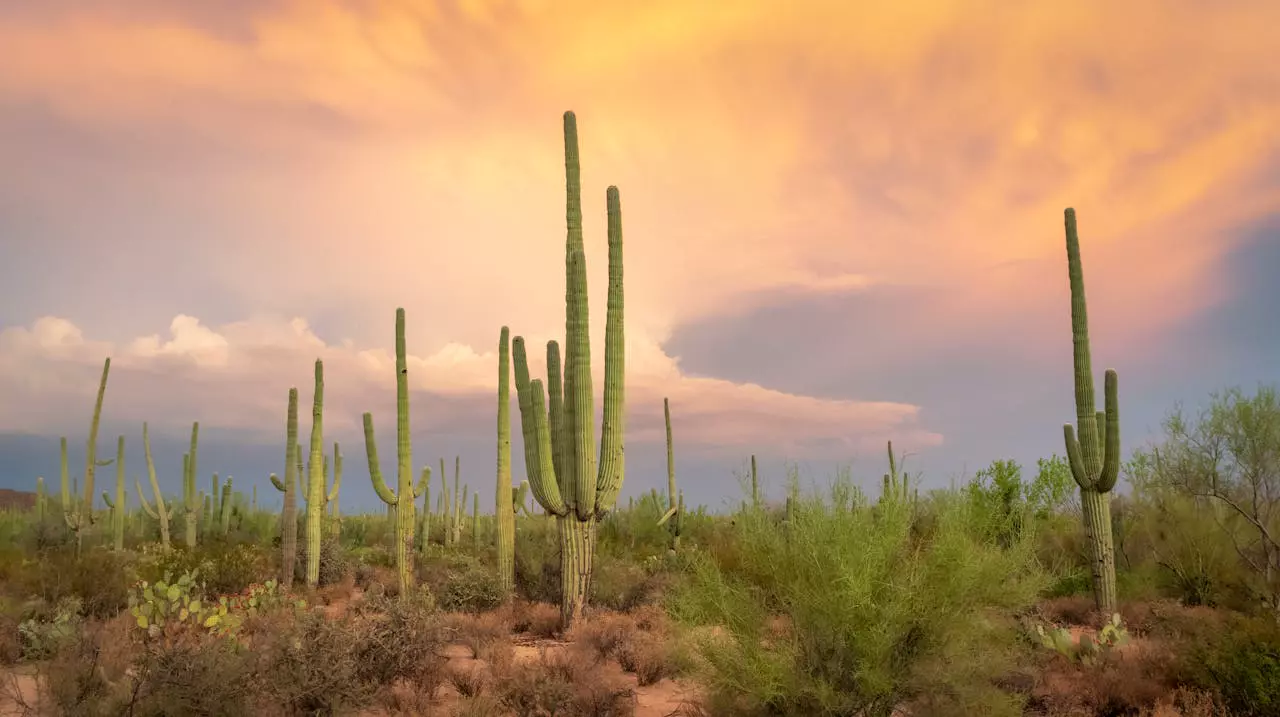
Few experiences rival watching the sun set behind a forest of saguaros. The silhouettes of the cacti against the fiery Arizona sky are nothing short of magical.
Top sunset spots:
- Gates Pass (near the West District)
- Javelina Rocks (East District)
Bring a camera — this is one of the most photographed scenes in the Southwest.
4. Visit the Visitor Centers
Before exploring, stop by one of the park’s visitor centers to get maps, check trail conditions, and learn about desert ecology.
- Red Hills Visitor Center (West): Offers an excellent introductory film and stunning desert views right from the patio.
- Rincon Mountain Visitor Center (East): Great for learning about the park’s backcountry and wildlife diversity.
5. Spot Wildlife
Despite its arid environment, Saguaro National Park teems with life. Keep your eyes peeled for:
- Gila woodpeckers nesting in saguaros
- Desert tortoises and jackrabbits
- Coyotes roaming at dusk
- Rare sightings of bobcats and javelinas
Early morning and evening are the best times for wildlife viewing.
6. Experience the Desert Bloom
If you visit between March and May, you’ll be rewarded with the park’s vibrant spring bloom. The saguaros themselves blossom in late May to June, producing creamy white flowers — Arizona’s state flower. The contrast of green cacti and colorful wildflowers is a photographer’s dream.
7. Stargaze Under Desert Skies
Thanks to low light pollution, the park is a fantastic place for stargazing. On clear nights, the Milky Way stretches across the horizon, and constellations sparkle brightly above the desert. Bring a blanket, lie back, and enjoy the show.
8. Learn About Desert Culture and History
Beyond its natural beauty, Saguaro National Park has deep cultural roots. The area has been home to Native American peoples for thousands of years. Check out petroglyphs along the Signal Hill Trail (West District) — fascinating reminders of the area’s ancient inhabitants.
9. Take a Photography Tour
Whether you’re using a DSLR or a smartphone, Saguaro National Park offers countless photo ops — from towering cacti and colorful sunsets to desert wildlife. Many local guides offer photography tours that teach you how to capture the desert’s magic in perfect light.
10. Enjoy a Picnic with a View
Pack a lunch and relax at one of the park’s picnic areas. The Ez-Kim-In-Zin Picnic Area (West) and Javelina Picnic Area (East) are both scenic spots with shaded tables and panoramic views.
Plan Your Visit
- Best Time to Visit: October to April for mild weather.
- Entrance Fee: $25 per vehicle (valid for 7 days).
- Hours: The park is open year-round, but avoid midday heat during summer.
- What to Bring: Water, sunscreen, hat, camera, and sturdy hiking shoes.
Final Thoughts
Saguaro National Park is more than just a sea of cacti — it’s a living desert full of color, life, and tranquility. Whether you’re driving scenic loops, hiking desert trails, or catching a sunset among saguaros, this park will leave you in awe of the Sonoran Desert’s timeless beauty.
20 FAQs About Things to Do in Saguaro National Park
1. Where is Saguaro National Park located?
Saguaro National Park is located in southern Arizona, just outside the city of Tucson. It’s divided into two sections — the Rincon Mountain District (East) and the Tucson Mountain District (West).
2. What is Saguaro National Park famous for?
The park is best known for its giant saguaro cacti, iconic symbols of the American Southwest. It’s also celebrated for its desert hiking trails, scenic drives, and spectacular sunsets.
3. How many days do I need to explore Saguaro National Park?
You can see highlights in one day, but two to three days allows you to explore both districts, hike a few trails, and enjoy sunrise and sunset views.
4. What are the best things to do in Saguaro National Park?
Top activities include scenic drives, hiking among saguaros, watching the sunset, wildlife spotting, visiting petroglyphs, stargazing, and taking photographs of desert landscapes.
5. Which district is better: East or West?
Both districts are worth visiting. The West District has denser saguaro forests and easier access from Tucson, while the East District offers longer hiking trails and mountain scenery.
6. What are the most popular hikes in Saguaro National Park?
Some favorites include:
- Valley View Overlook Trail (West)
- Signal Hill Trail (West)
- Loma Verde Loop (East)
- Tanque Verde Ridge Trail (East)
7. Is it possible to drive through Saguaro National Park?
Yes! You can take the Cactus Forest Drive (East) or the Bajada Loop Drive (West) — both scenic routes showcasing the park’s landscapes and cactus groves.
8. What’s the best time of year to visit Saguaro National Park?
The best time to visit is from October to April, when temperatures are cooler and hiking conditions are pleasant. Avoid midday heat in summer.
9. Are there entrance fees for the park?
Yes. The entrance fee is $25 per vehicle, valid for seven days and covering both districts.
10. Can I see wildlife in Saguaro National Park?
Absolutely! Visitors often spot Gila woodpeckers, jackrabbits, road runners, coyotes, and even javelinas. Early morning and evening are best for wildlife viewing.
11. Can I camp inside Saguaro National Park?
Camping is allowed only in the Rincon Mountain backcountry area (East District) with a permit. There are no developed campgrounds or RV hookups inside the park itself.
12. Where can I watch the best sunset in Saguaro National Park?
Top sunset spots include Gates Pass (near the West District) and Javelina Rocks (East District). Both offer panoramic desert views framed by giant saguaros.
13. Is stargazing good in Saguaro National Park?
Yes — the park has very low light pollution, making it ideal for stargazing and night photography. The Milky Way is often visible on clear nights.
14. Are there guided tours available in the park?
Yes. You can join ranger-led programs, guided hikes, or photography tours offered by local operators in Tucson.
15. Can I bring pets to Saguaro National Park?
Pets are allowed only on paved roads and picnic areas. They are not permitted on trails for their safety and to protect wildlife.
16. What should I pack for a day trip to Saguaro National Park?
Bring plenty of water, sunscreen, a hat, snacks, comfortable hiking shoes, and a camera. Desert temperatures can change quickly, so dress in layers.
17. Are there visitor centers in both districts?
Yes!
- Red Hills Visitor Center (West): Known for its desert views and exhibits.
- Rincon Mountain Visitor Center (East): Offers maps, park information, and restrooms.
18. When do the saguaro cacti bloom?
Saguaro cacti typically bloom from late May to early June. The white blossoms are Arizona’s state flower and attract many desert pollinators.
19. Are there picnic areas in the park?
Yes, both districts have picnic spots. Ez-Kim-In-Zin (West) and Javelina (East) are scenic areas with shaded tables and great views.
20. Can I see petroglyphs in Saguaro National Park?
Yes — the Signal Hill Trail in the West District leads to a collection of ancient petroglyphs carved by the Hohokam people centuries ago.