

Rainforest national parks have a way of resetting your brain. One minute you’re checking the forecast like it’s a personal challenge, and the next you’re walking under dripping leaves the size of dinner plates, listening to birds you can’t see, and realizing the “best day” here isn’t about miles. It’s about timing, terrain, and choosing experiences that match the kind of rainforest you’re in.
This guide is built the way national-park.com articles usually are: practical, scannable, and easy to use for trip planning. You’ll get a clear breakdown of temperate vs. tropical rainforests, a best-of list you can mix and match, and a few location examples so you can apply it whether you’re hiking in the Pacific Northwest, exploring the Caribbean, or planning rainforest activities in Ecuador.
What makes a rainforest a rainforest?
“Rainforest” isn’t a synonym for “jungle,” and it isn’t defined by heat. A rainforest is defined by consistent moisture and dense plant growth. That moisture creates a layered ecosystem:
- Forest floor: fungi, roots, amphibians, insects
- Understory: ferns, mosses, shade plants, nesting sites
- Canopy: birds, mammals, fruiting trees, epiphytes
That layered structure is why you can spend two hours in a rainforest and see more variety than a full day in some other environments. It’s also why the same activity can feel totally different depending on whether you’re in a cool, mossy temperate rainforest or a hot, humid tropical one.
Temperate vs. tropical rainforests: what’s the difference for visitors?
Temperate rainforests (cool, mossy, often easier)
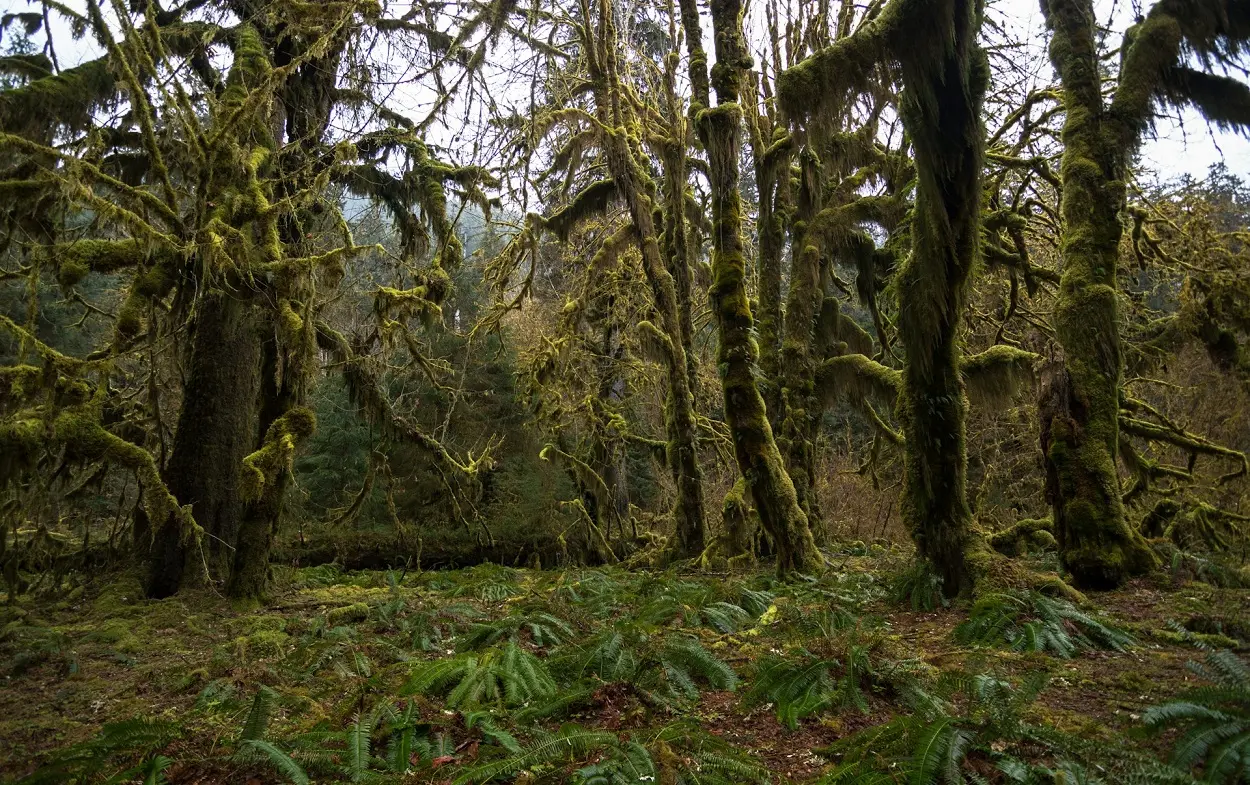
Temperate rainforests are the ones many U.S. travelers first experience: towering evergreens, thick moss, misty rivers, and trails that feel like they belong in a fantasy movie. They’re often more forgiving for beginners because temperatures are mild, bugs can be less intense, and boardwalks are common.
Best for: big-tree walks, river trails, photography, family-friendly hikes.
Tropical rainforests (warm, humid, biodiverse)
Tropical rainforests are louder at dawn, more active at dusk, and more “alive” in the sense that everything grows fast and moves fast. You’ll deal with humidity and sudden rain, and the best wildlife sightings often depend on timing and patience.
Best for: canopy viewpoints, night walks, wildlife-focused hikes, guided interpretation.
Best things to do in rainforest national parks (mix-and-match list)
Use this section like a menu. Pick two or three activities for one day, or build a longer itinerary around the ones you care about most.
1) Take a canopy-level walk or viewpoint hike
Seeing the rainforest from above changes your whole perspective. In tropical areas, canopy viewpoints can also increase wildlife spotting, since many animals move through upper layers.
Look for: canopy towers, ridge trails, elevated walkways, lookout points.
Tip: go early for calmer weather and better light.
2) Do a waterfall hike (and check safety rules first)
Waterfall trails are classic rainforest experiences, but they can be slippery and prone to flash-flood conditions in heavy rain. Always follow posted warnings and avoid scrambling on wet rock.
Look for: established trails, viewing platforms, trail-condition updates.
Tip: bring traction footwear and expect mud.
3) Choose a boardwalk nature walk if you want the easiest win
Boardwalk trails are ideal for families and anyone who prefers stable footing. They also protect sensitive ground, an important factor in high-traffic rainforest zones.
Look for: interpretive loops, accessible paths, “big tree” routes.
Tip: slow down and scan for details like fungi and moss patterns.
4) Plan a “dawn hour” for wildlife and birds
If you want wildlife, wake up earlier than you think you need to. Many rainforest species are most active early, and trails are quieter. Even if you’re not a “birder,” this is the easiest time to notice the forest’s rhythm.
Look for: quiet trails, river edges, canopy openings.
Tip: keep voices low and pause often.
5) Explore river, lagoon, or estuary edges
Rainforest parks often have rivers, lakes, wetlands, or coastal edges nearby. These areas can increase wildlife sightings and offer scenic variety beyond dense forest.
Look for: riverside trails, lake loops, wetland boardwalks.
Tip: pack a light rain layer even if skies look clear.
6) Go on a night walk (the most underrated rainforest experience)
Night is when the rainforest becomes a different world. Frogs, insects, and nocturnal mammals are active, and the soundscape alone is worth it. This is also where guided options can add a lot, since trained eyes catch what most visitors miss.
Look for: ranger-led programs, guided night hikes where permitted.
Tip: headlamp + backup light, and stay on established paths.
7) Try “micro-safari mode” and look for the small wonders
Rainforests are detail-heavy environments. If conditions aren’t perfect for big wildlife, you can still have an incredible day focusing on small species and plant life.
Look for: fungi, insects, orchids, leaf-cutter ants, tiny frogs.
Tip: bring a small lens cloth for your phone camera, humidity happens.
8) Use visitor centers and ranger talks like a shortcut
Rangers and visitor centers can save you from trial-and-error. They can tell you which trails are muddy, where views are best, and what’s active right now.
Ask: “What’s best today with current conditions?”
Tip: check in before committing to a long drive within the park.
Where to do these activities (examples you can apply anywhere)
Rainforests show up in many regions. Here are a few examples to help you match activities to place.
Temperate rainforest examples
- Olympic National Park (Washington): big-tree walks, boardwalk loops, river trails, moody photography.
- Southeast Alaska / Tongass region: lush coastal forest, dramatic water, wildlife viewing opportunities.
Tropical rainforest examples
- El Yunque (Puerto Rico): waterfall hikes, short scenic trails, quick rainforest access.
- National Park of American Samoa: rainforest + ocean views, quieter trails, unique island ecosystems.
- Ecuador (cloud forest regions near Mindo): canopy experiences, birdwatching, waterfall trails, and guide-led walks in a high-biodiversity setting.
- Costa Rica (Osa Peninsula / Corcovado region): wildlife-focused hikes and early-morning activity.
- Australia (Daintree region): boardwalk walks, coastal rainforest scenery, guided interpretation.
Rainforest planning tips (quick, practical, important)
- Expect wet conditions even if it’s not raining. Trails stay slick.
- Start early for wildlife, fewer crowds, and better light.
- Watch for flash-flood risk near rivers and waterfalls after heavy rain.
- Stay on trail to protect fragile habitats and avoid getting lost.
- Respect wildlife distance and never feed animals.
What to pack for a rainforest park day
- grippy trail shoes or hiking boots
- lightweight rain jacket or poncho
- quick-dry layers
- dry bag or zip bags for electronics
- water and snacks
- small first-aid kit
- insect protection as needed
- headlamp if you’ll be out near dusk or night
Guided vs. self-guided: how to choose
Self-guided works best for popular loops and boardwalk trails with clear signage. Guided experiences are most valuable for night walks, wildlife-focused hikes, and trips where learning the ecosystem is part of the goal. If you’re deciding between options, look for places that publish a clear activity list with difficulty levels, timing, and what you might realistically see. It’s an easy way to compare choices and avoid tours that overpromise.
Build your perfect day (two simple templates)
Template A: easy, family-friendly
- morning boardwalk loop
- midday waterfall viewpoint
- visitor center + short scenic trail
Template B: wildlife-focused
- dawn walk for birds
- canopy viewpoint mid-morning
- guided night walk (where permitted)
Rainforest parks reward patience. You’ll enjoy them more if you plan fewer stops, give yourself extra time, and let the weather be part of the experience instead of a problem to fight.