

Experienced hikers know how trekking, especially if it goes on for several days, can be a completely different experience from your ordinary hike. With multi-day trekking, you have to put much more thought into what you pack and how you prepare.
National parks across the USA attract many hikers throughout the year who simply want to disconnect from the daily routine. And what better way to do that than to hit the trail and immerse yourself in nature.
When we say disconnect, we mean exactly that. Most spots have no cell service so you definitely won’t find yourself distracted by social media or Instagram reels.
But being disconnected can be a bit frightening when you’re in the middle of nowhere and have no idea which route to take. This is why we recommend good preparation before going on a multi-day trek.
There are several things you need to think about. Like your gear, your clothes, shoes and your safety.
In case it’s your first time going on such a trekking experience, then you’re probably feeling a bit scared and excited at the same time.
We’re here to make sure you are well-prepared before you start your trekking adventure.
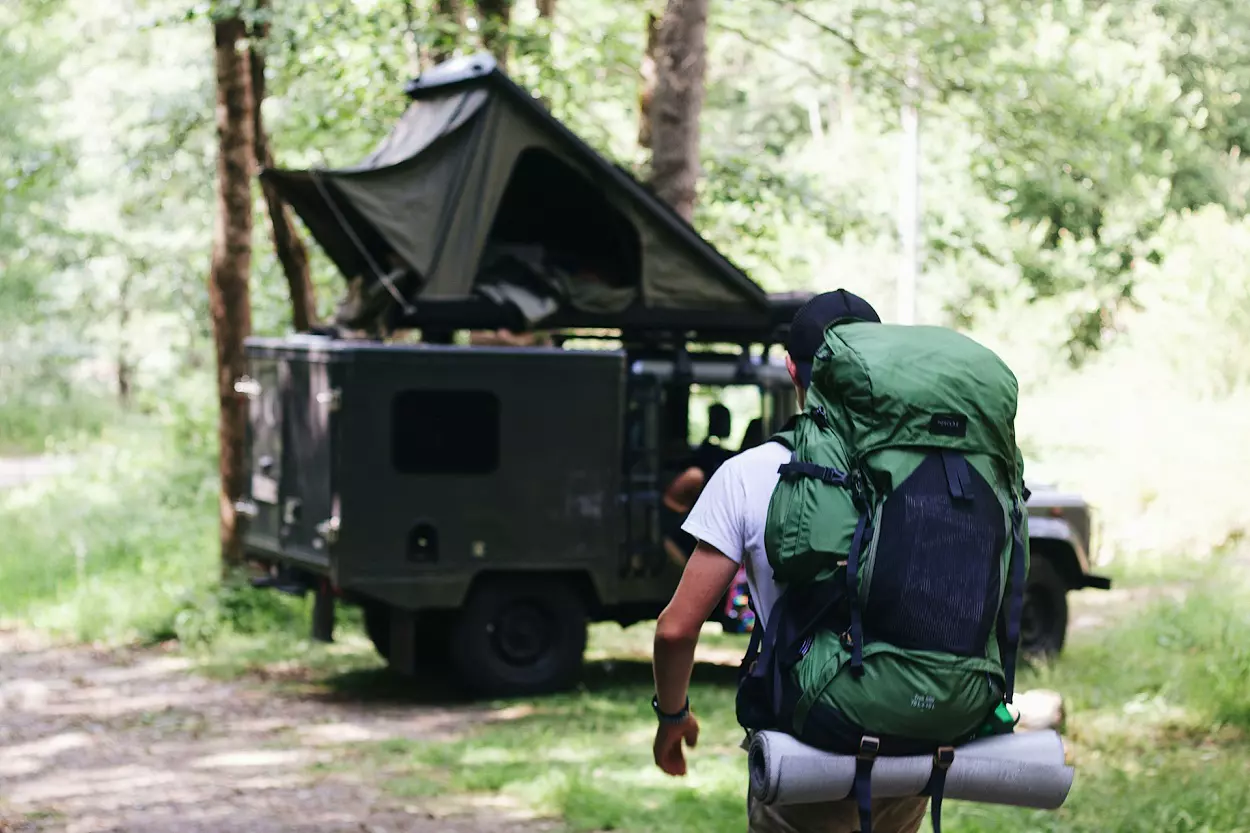
Understanding the demands of multi-day trekking
So, if you’re still not convinced that a hiking trip demands preparation, we’re here to convince you otherwise.
Spending several days on the trail places constant physical demands on your body.You need to be in good shape before setting foot on a trekking route. You might be thinking that we’re exaggerating but with more than 2000 people fatally injured each year in national parks, the concern is understandable.
As we said, equipment matters as well. For such a long trekking trip, you need high quality and comfortable gear. A full backpack, layered clothing and durable shoes are a must.
Anything that restricts your movement is a hindrance and you want to make sure your equipment is working in your favor and not preventing you from continuing your hike smoothly.
Common outdoor carry options for long treks
So what does one bring to a long trek? When planning a multi-day trek, most hikers typically rely on a combination of backpacks, waist systems, and body-worn carry options. Each is good, depending on what you’re using it for.
A backpack is the foundation of it all. You need a good and sturdy backpack to carry food, water and clothing. However, things can get buried deep in the backpack, meaning you won’t be able to reach easily and grab what you need. That’s why a lot of hikers also wear additional carry systems.
Waist-mounted and exterior carry solutions allow you to keep essential items within reach without disrupting your movement. These systems are especially useful during long days when stopping frequently is impractical.
Another thing we need to cover is safety. Which leads us to our next point.
OWB holsters and accessibility during trekking
If you’re hiking alone, it can be quite scary. Especially if you’ve never hiked alone before for a long time. So, it’s completely understandable if you feel the need to carry a firearm with you.
However, you need to have a permit and check whether the regulations allow for it. You can’t simply walk into a national park with a full backpack of firearms.
But, if you do decide to carry a gun for protection, an OWB holster is probably your best option. It’s easy to reach, meaning you won’t have to dig through your backpack. Plus, you can keep an eye on your gun at all times.
They’re super practical and help keep your firearm secure. There are different designs and materials so you can also do a bit of research on which one is best for you.
Why carry systems matter on extended trails
But why give carry systems so much thought?
Carry systems are often overlooked during trip planning, yet they directly affect how smoothly your trek goes. A well-designed and thought-out system allows you to move smoothly and quickly while keeping important items secure and accessible.That will also give you peace of mind, knowing that all your items are easily accessible.
On multi-day trails, stability and balance matter. You don’t want to end up with bad equipment that will make you lose your balance or slip. It should work for you and not against you.
Comfort also ties into mental focus, as we said. When you can rely on your equipment, you can focus more on the trail, your surroundings, and the overall experience of being in a national park rather than constantly adjusting straps or shifting weight.
Staying responsible and informed in national parks
Finally, you also have a responsibility to get all the necessary information before you enter the national park. Each park has its own set of rules that are designed to protect visitors and preserve the environment.
So, you have to check those regulations before starting the hike.
Preparation goes beyond gear selection. Understanding wildlife behavior, trail conditions, and emergency procedures helps ensure that your trek remains both enjoyable and respectful of the park you are visiting.
Being informed allows you to make smarter decisions on the trail and avoid unnecessary risks, especially during extended trips.
Key takeaways: Staying safe on a long trekking trip
Hopefully, you’ll already be researching national parks’ regulations. Remember, preparation is often more important than the trip itself. By preparing well, you’ll also feel more relaxed and able to focus on what truly matters.
Take a bit of time to choose your equipment and research which type of carry systems would suit you best in such a situation. Quality matters so always buy from trusted brands as the equipment you choose can really make or break your trekking trip.