

Colorado’s alpine trails offer access to some of the highest and most scenic landscapes in the United States. Reaching them, however, often involves more planning than visits to lower-elevation parks. High-altitude environments introduce unique considerations related to weather, road conditions, and park entry systems, making access an important part of the overall experience.
For visitors unfamiliar with mountain travel, understanding how park entrances function—and how seasonal and logistical factors affect them—can help ensure a smoother and more predictable visit.
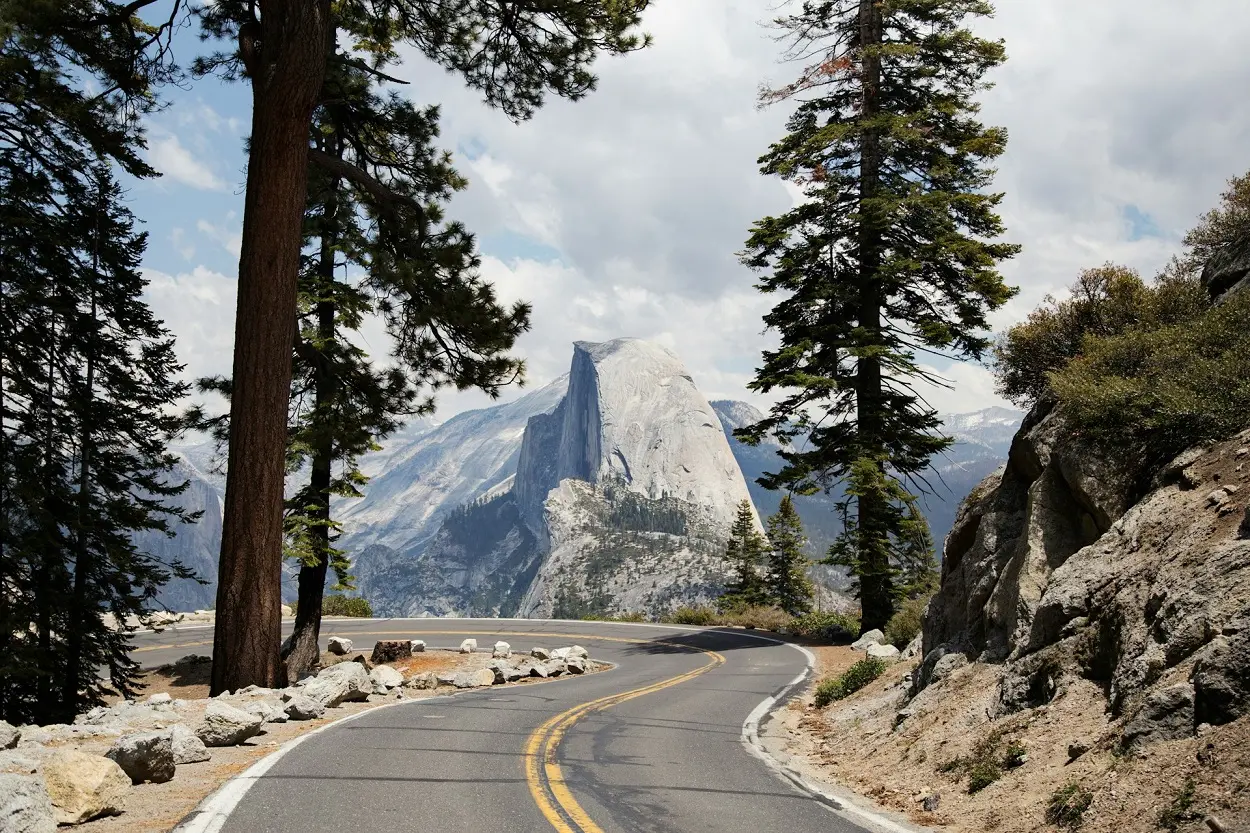
Understanding High-Altitude Park Entrances in Colorado
High-altitude park entrances differ from those at lower elevations in several key ways. They are often located along steep mountain roads, operate within limited seasonal windows, and are directly affected by snowpack, weather shifts, and avalanche mitigation. Access points may include formal entrance stations or unmanaged trailheads where parking availability and road conditions determine entry.
In the Vail area, alpine access is shaped by corridors such as Vail Pass, which provides entry to a network of high-elevation trails within the White River National Forest. While not a staffed park gate, the pass functions as a seasonal access point, with trail availability closely tied to snowmelt, road conditions, and traffic along the I-70 corridor. Similarly, access areas such as the West Vail Trail connect visitors to alpine terrain through trailheads that are subject to parking limits, weather exposure, and changing ground conditions.
These types of entrances are designed to balance public access with environmental protection and safety. At elevation, even minor changes in weather or traffic volume can affect availability, making access planning an important part of visiting Colorado’s alpine landscapes.
Seasonal Access, Weather, and Road Availability
Seasonality plays a significant role in determining when alpine access points are available. Conditions vary year to year, but general patterns remain consistent across Colorado’s high-altitude regions:
- May–June: Snowmelt period; many alpine roads and trailheads remain closed or partially accessible, with delayed openings common
- July–September: Primary access window for most high-altitude trailheads; increased visitation, parking constraints, and limited roadside access
- October: Transitional conditions; early snowstorms can lead to temporary or seasonal closures
- November–April: Most high-altitude access routes closed due to snow accumulation and safety concerns
Even during peak summer months, sudden weather changes can result in short-term closures or access delays, particularly at elevations above 11,000 feet.
Planning Transportation to Alpine Park Entrances
Reaching high-altitude access points near Vail often begins with arrival at Denver International Airport (DEN), followed by movement west through the I-70 mountain corridor. Under typical summer conditions, the drive from the airport to the Vail Valley generally takes around two to three hours, though timing can vary depending on traffic levels and time of day.
Seasonal conditions can significantly affect this timeline. During winter months, snow, reduced speeds, and weather-related closures along the corridor can extend the trip, sometimes considerably. The route from DEN airport to Vail may be completed using a private car service operated by professional chauffeurs accustomed to mountain driving and changing road conditions. Because the corridor involves sustained elevation gain and mountain passes, timing and arrival windows remain important considerations when planning access to alpine trailheads.
What to Expect at Alpine Access Points Near Vail
High-altitude trail access near Vail does not typically involve staffed entrance gates, but visitors still encounter managed entry conditions. These access points are shaped by signage, land management rules, and limited on-site infrastructure.
Common features at alpine access points include:
- Trailhead signage outlining route information, elevation, and seasonal notices
- Posted land management rules from the White River National Forest or wilderness areas
- Limited or no facilities, with restrooms and water not always available
- Seasonal road or trail status notices, particularly during snowmelt or early fall
- Restricted services, with limited cell coverage in many locations
Rather than a single checkpoint, access is distributed across multiple trailheads and entry areas, making advance awareness of on-site conditions an important part of navigating high-altitude terrain.
How Conditions Shape the Alpine Experience
Accessing Colorado’s alpine trails involves more than selecting a destination on a map. From the initial approach through the mountain corridor to the final transition onto forest roads and trailheads, each stage of access is shaped by elevation, seasonality, and local conditions.
In areas around Vail, where high-altitude environments and managed public lands intersect, understanding how park entrances, access routes, and trailheads function together can help set clear expectations. With thoughtful attention to timing, conditions, and access points, visitors are better prepared to navigate Colorado’s alpine landscapes responsibly and safely.