Antietam National Battlefield: A Complete Visitor’s Guide
Antietam National Battlefield in western Maryland is one of the most historically significant Civil War sites in the United States. Preserving the landscape of the Battle of Antietam, fought on September 17, 1862, the battlefield offers visitors an opportunity to explore the events of one of the bloodiest single days in American history. With historic landmarks, walking trails, a visitor center, and a scenic driving tour, Antietam is an essential destination for history enthusiasts, families, and travelers interested in America’s past.
Located near Sharpsburg, Maryland, the battlefield commemorates the soldiers who fought and died during the American Civil War. It also helps visitors understand how the battle influenced President Abraham Lincoln’s decision to issue the preliminary Emancipation Proclamation.
Where Is Antietam National Battlefield?
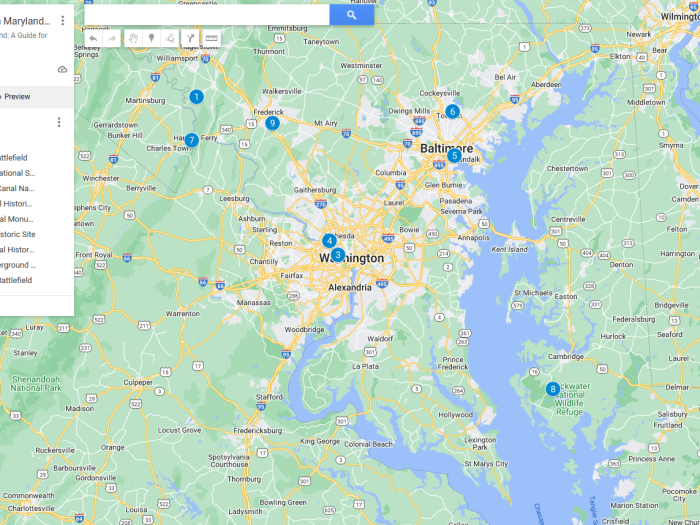
Antietam National Battlefield is located near Sharpsburg in Washington County, western Maryland. The site lies close to the Potomac River and is approximately 70 miles northwest of Washington, D.C., making it a convenient day trip from the nation’s capital.
The battlefield preserves farmland, historic roads, stone structures, and other features associated with the 1862 battle. Visitors can explore the grounds by car, on foot, or by bicycle while learning about the battle’s major events and the experiences of the soldiers who fought there.
Address: 5831 Dunker Church Road, Sharpsburg, MD 21782, United States.
History of Antietam National Battlefield
The Battle of Antietam
The Battle of Antietam took place on September 17, 1862, during the American Civil War. Confederate General Robert E. Lee led his Army of Northern Virginia into Maryland in an attempt to carry the war into Union territory and gain strategic advantages.
Union forces under Major General George B. McClellan confronted Lee’s army near Antietam Creek. Fighting spread across several areas, including the Cornfield, the West Woods, the Sunken Road, and Burnside Bridge.
The battle resulted in approximately 23,000 combined Union and Confederate casualties killed, wounded, or missing in a single day. Although neither side achieved a decisive tactical victory, Lee withdrew to Virginia, allowing the Union to claim a strategic success.
The Emancipation Proclamation
Antietam had consequences beyond the battlefield. The Union’s ability to halt Lee’s invasion gave President Abraham Lincoln the opportunity to announce the preliminary Emancipation Proclamation on September 22, 1862.
The proclamation declared that enslaved people in areas still in rebellion against the United States would be free beginning January 1, 1863. It transformed the war’s broader purpose by making the destruction of slavery a central Union objective alongside the preservation of the nation.
Establishment of the National Battlefield
Congress established Antietam National Battlefield Site in 1890 to preserve and commemorate the historic battlefield. Today, the National Park Service manages the site, protecting its historic landscape and helping visitors understand the battle’s military, political, and human significance.
Best Things to Do at Antietam National Battlefield
Antietam offers several ways to experience its history, whether you have an hour or an entire day to explore.
1. Explore the Visitor Center
Begin your visit at the Antietam National Battlefield Visitor Center. Exhibits introduce the battle, explain its military strategy, and provide context for the events of September 17, 1862.
Visitors can learn about the Union and Confederate armies, view historical displays, and get information about driving routes, walking trails, ranger programs, and seasonal activities. Check the official NPS website for current opening hours and any changes to visitor services.
2. Drive the Antietam Battlefield Tour
A self-guided driving tour is one of the best ways to explore the battlefield. The route connects important historical locations and allows visitors to stop at monuments, interpretive signs, and scenic viewpoints.
Allow approximately two to three hours for a leisurely tour, although history enthusiasts may want to spend longer at individual stops.
Important locations along the tour include the Cornfield, Dunker Church, Bloody Lane, Burnside Bridge, and other areas associated with the battle.
3. Visit the Cornfield
The Cornfield was the scene of some of the fiercest fighting during the morning phase of the battle. Union and Confederate troops repeatedly attacked and counterattacked across the agricultural fields, suffering heavy losses.
Walking through this area provides a powerful sense of the battle’s intensity and the challenges soldiers faced in the confusion of combat.
4. See Dunker Church
Dunker Church is one of Antietam’s most recognizable historic landmarks. The small white church was associated with the German Baptist Brethren, a pacifist religious community, before becoming caught in the path of the battle.
The structure and surrounding landscape help visitors visualize the fighting that took place nearby. The church was damaged during the battle and later became an important symbol of Antietam’s history.
5. Walk Along Bloody Lane
Bloody Lane, also known as the Sunken Road, was a farm lane that became a defensive position for Confederate troops. Union forces eventually broke through the Confederate line after intense fighting.
The name reflects the terrible losses sustained in the area. Today, visitors can walk near the historic lane and learn how the terrain shaped the battle’s outcome.
6. Cross Burnside Bridge
Burnside Bridge is a stone bridge spanning Antietam Creek and one of the battlefield’s most photographed landmarks. During the battle, Union troops under Major General Ambrose Burnside struggled to cross the narrow bridge while facing Confederate defenders positioned on the surrounding high ground.
The bridge illustrates how terrain and defensive positions influenced military operations. Visitors can view the historic structure and explore nearby paths, subject to current access conditions.
7. Visit the National Cemetery
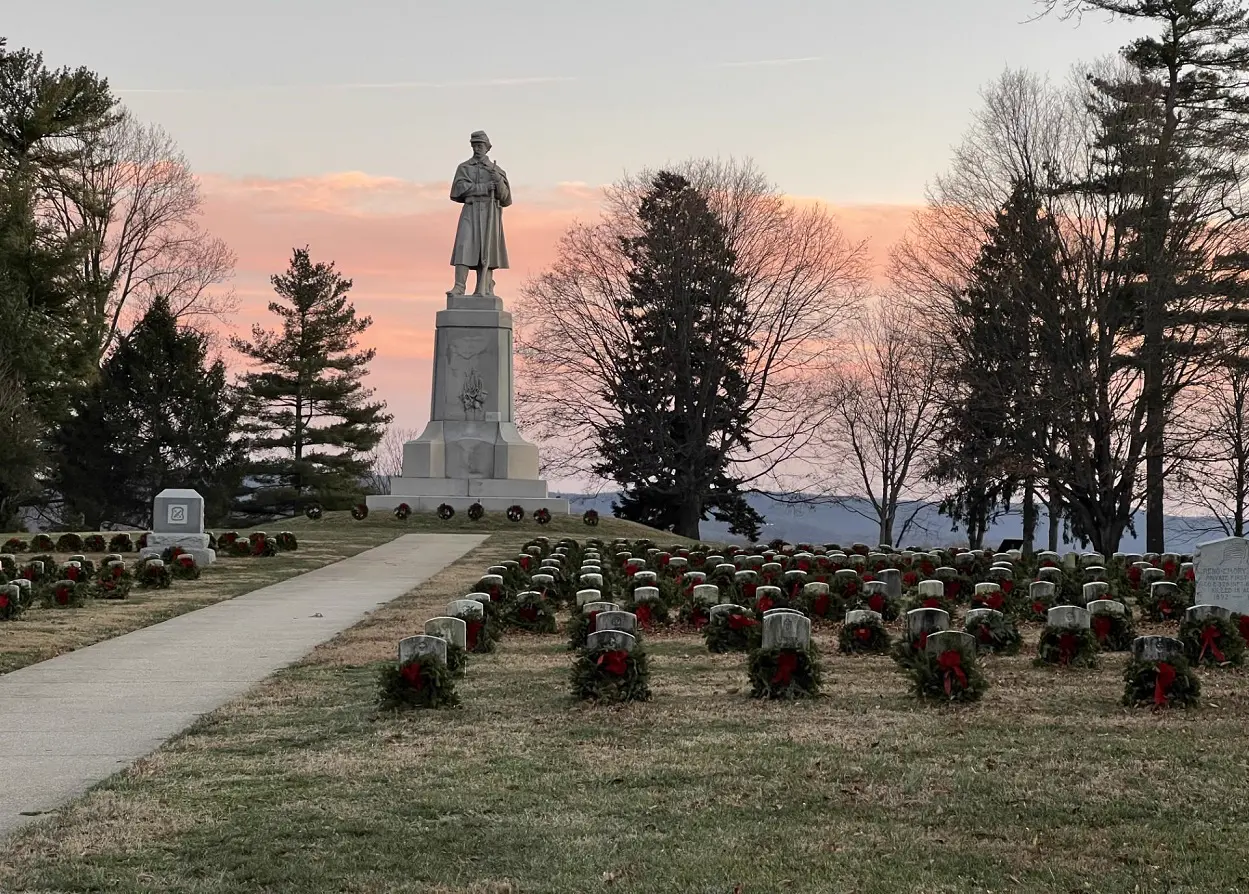
Antietam National Cemetery, established after the battle, is the final resting place of thousands of Union soldiers who died during the Civil War and other conflicts. The cemetery is a solemn place for reflection and remembrance.
The cemetery is a separate site from the battlefield’s main visitor facilities. Check current access information before planning your visit.
8. Explore the Battlefield on Foot
Walking allows visitors to experience the battlefield at a slower pace and appreciate its historic landscape. Trails and walking routes provide access to selected areas of the battlefield, including locations near important monuments and historic features.
Wear comfortable shoes, carry drinking water during warm weather, and remain on designated paths where required.
9. Attend a Ranger-Led Program
National Park Service rangers sometimes offer talks, guided walks, and special interpretive programs. These activities can explain the battle’s key decisions, the experiences of soldiers and civilians, and the wider consequences of the Civil War.
Program schedules vary by season and staffing. Check the official park calendar before your visit.
10. Photograph the Historic Landscape
Antietam’s open fields, stone walls, historic bridge, monuments, and rural scenery make it an appealing destination for photography. Early morning and late afternoon can provide attractive natural light, especially during spring and fall.
Remember that the battlefield is a commemorative site. Photograph responsibly, respect cemetery boundaries, and avoid disturbing historic objects.
Best Time to Visit Antietam National Battlefield
Antietam National Battlefield is open to visitors throughout the year, although individual facilities and services may operate on seasonal schedules.
- Spring (March–May): Mild weather and green fields make spring a pleasant time for walking and driving tours.
- Summer (June–August): Longer daylight hours provide more time to explore, but temperatures and humidity can be high.
- Fall (September–November): Autumn brings colorful foliage and comfortable conditions. September is especially meaningful for visitors interested in the anniversary of the battle.
- Winter (December–February): Quieter conditions can make winter visits appealing, although cold weather, snow, or ice may affect outdoor exploration.
For the best overall experience, consider visiting in spring or fall. Before traveling, check the NPS website for weather alerts, road conditions, facility hours, and special events.
How Much Time Do You Need at Antietam National Battlefield?
The time required depends on your interests and how thoroughly you want to explore the historic landscape.
| Visit length | Suggested activities |
|---|---|
| 1 hour | See selected landmarks and a few key interpretive stops |
| 2–3 hours | Visit the visitor center and complete much of the driving tour |
| Half a day | Explore the driving route, walk at important battlefield locations, and spend time at the visitor center |
| Full day | Take a detailed driving tour, walk selected trails, attend a ranger program if available, and visit nearby historic sites |
If this is your first visit, allow at least two to three hours. A half-day visit is preferable if you want to understand the battle’s major phases rather than simply see the landmarks.
Tips for Visiting Antietam National Battlefield
A little preparation can help you make the most of your visit.
- Start at the visitor center: Get an overview of the battle before exploring the landscape.
- Download or obtain a battlefield map: This helps you navigate the driving route and identify major historical locations.
- Bring water and sun protection: Some areas have limited shade, particularly in summer.
- Wear comfortable walking shoes: You may encounter uneven ground, grass, and unpaved paths.
- Allow extra time for interpretation: Reading the historical signs makes the experience more meaningful.
- Check official updates: Facility hours, access conditions, and ranger programs can change.
- Respect the historic site: Do not remove artifacts or disturb memorials, monuments, or burial grounds.
Places to Visit Near Antietam National Battlefield
The surrounding region offers additional historical attractions and opportunities to explore western Maryland.
- Sharpsburg, Maryland: A small historic town closely connected to the battle and its surrounding landscape.
- Hagerstown, Maryland: A nearby city with museums, restaurants, lodging, and other visitor services.
- Harpers Ferry National Historical Park: A historic destination in West Virginia associated with John Brown’s raid, the Civil War, and the meeting of the Potomac and Shenandoah rivers.
- Chesapeake and Ohio Canal National Historical Park: A long historic canal corridor offering walking, cycling, and opportunities to learn about transportation history.
If you plan to visit several sites, check driving distances and opening hours in advance so you can organize a practical itinerary.
Frequently Asked Questions About Antietam National Battlefield
1. Where is Antietam National Battlefield located?
Antietam National Battlefield is near Sharpsburg in Washington County, western Maryland, close to the Potomac River.
2. What is Antietam National Battlefield famous for?
It is famous for the Battle of Antietam, fought on September 17, 1862, one of the bloodiest single days in American military history.
3. When did the Battle of Antietam take place?
The battle took place on September 17, 1862, during the American Civil War.
4. Who fought in the Battle of Antietam?
The Union Army of the Potomac, commanded by Major General George B. McClellan, fought Confederate forces led by General Robert E. Lee.
5. How many people died at Antietam?
Approximately 3,600 soldiers were killed during the battle. Total casualties, including those killed, wounded, or missing, reached approximately 23,000 on both sides combined.
6. Why was the Battle of Antietam important?
The battle halted Lee’s first major invasion of the North and provided President Abraham Lincoln with the opportunity to announce the preliminary Emancipation Proclamation.
7. Is Antietam National Battlefield free to visit?
Check the current National Park Service fee schedule before traveling. Fee policies and access arrangements can change, and visitors should verify whether any charges apply to their planned activities.
8. How long does it take to tour Antietam National Battlefield?
Most first-time visitors should allow two to three hours for the driving tour and major stops. A half-day or longer allows time for additional walks and exhibits.
9. Can you drive through Antietam National Battlefield?
Yes. A self-guided driving tour connects many of the battlefield’s important historic locations. Visitors can stop at designated areas to explore and read interpretive signs.
10. Is Antietam National Battlefield suitable for children?
Yes. Families can explore the battlefield by car, view historic landmarks, and learn about the Civil War through exhibits and interpretive signs. Adults should provide age-appropriate context for the violence and loss associated with the battle.
11. What is Bloody Lane at Antietam?
Bloody Lane, also called the Sunken Road, is a historic farm lane where Confederate troops established a defensive position during the battle. It became the site of exceptionally intense fighting.
12. Can visitors see Burnside Bridge?
Yes. Burnside Bridge is one of the battlefield’s major landmarks. Check current access information for any temporary restrictions or changes to nearby walking routes.
13. Is Dunker Church still standing?
The historic Dunker Church stands at the battlefield today. It has been restored following damage and changes over the years and remains an important landmark associated with the battle.
14. When is the best time to visit Antietam National Battlefield?
Spring and fall generally offer comfortable conditions for walking and exploring. September is also significant because it marks the anniversary of the battle.
15. Are guided tours available at Antietam National Battlefield?
Ranger-led walks and interpretive programs may be available depending on the season and staffing. Check the National Park Service website for current schedules.
16. Can you hike at Antietam National Battlefield?
Yes. Visitors can explore designated walking trails and routes around selected battlefield areas. Trail conditions and access can vary, so check current park information before setting out.
17. Is photography allowed at Antietam National Battlefield?
Photography for personal use is generally permitted in public visitor areas. Visitors should respect cemetery rules, temporary restrictions, and any applicable requirements for commercial photography.
18. What is the nearest major city to Antietam National Battlefield?
Hagerstown, Maryland, is one of the closest major service centers. Washington, D.C., is approximately 70 miles away, depending on the route and starting point.
19. What should I bring when visiting Antietam National Battlefield?
Bring comfortable walking shoes, water, weather-appropriate clothing, sun protection, and a map or navigation aid. Binoculars and a camera may also be useful.
20. Where can I find official information about Antietam National Battlefield?
The official National Park Service website is nps.gov/anti. It provides visitor information, historical resources, maps, alerts, and updates about park facilities and programs.
Final Thoughts
Antietam National Battlefield is more than a historic destination. It is a place to reflect on the human cost of the American Civil War and the turning points that shaped the country’s future. From the Cornfield and Bloody Lane to Burnside Bridge and Dunker Church, the battlefield preserves a landscape that helps visitors connect historical events with the places where they occurred.
Whether you are planning a dedicated history trip or adding Antietam to a wider journey through Maryland and nearby states, allow enough time to explore thoughtfully. Begin at the visitor center, follow the battlefield driving tour, and consult the National Park Service website for the latest information before you go.
Read more: