Top 10 Famous Landmarks in the World
Famous landmarks in the world are more than just tourist attractions. They are powerful symbols of culture, history, architectural innovation, and national identity. From ancient wonders built thousands of years ago to modern skyscrapers that redefine engineering limits, these landmarks represent humanity’s greatest achievements.
Top 10 famous landmarks in the world
1. Eiffel Tower – France
Overview
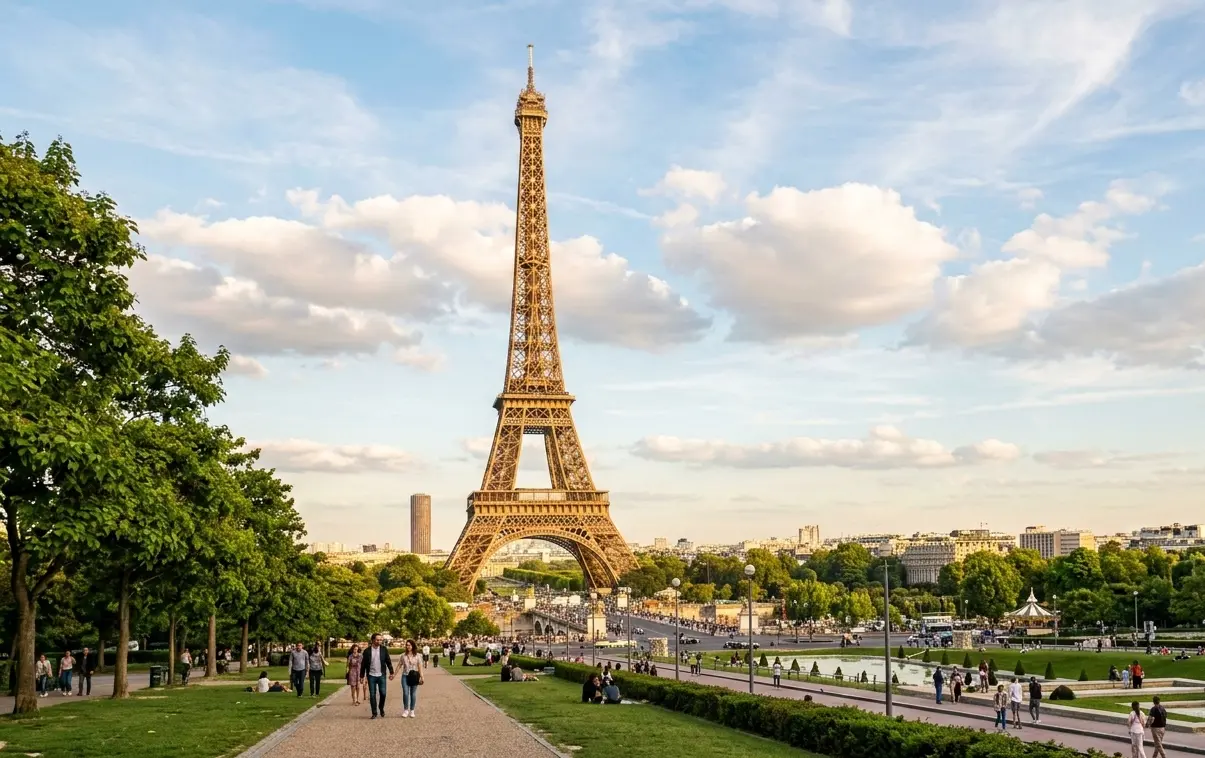
The Eiffel Tower is arguably the most recognizable landmark in the world. Located in Paris, France, it stands at 330 meters (1,083 feet) tall and attracts millions of visitors annually.
Historical Background
Constructed in 1889 for the Exposition Universelle (World’s Fair), the tower was designed by engineer Gustave Eiffel. Initially criticized by artists and intellectuals who considered it unattractive, the structure eventually became the ultimate symbol of France.
Architectural Significance
- Built using more than 18,000 iron components
- Weighs approximately 10,000 tons
- Was the tallest man-made structure in the world until 1930
Why It’s One of the Most Famous Landmarks in the World
- Icon of romance and Parisian culture
- Spectacular night illumination
- Panoramic observation decks
- Featured in countless films and media
2. Statue of Liberty – United States
Overview
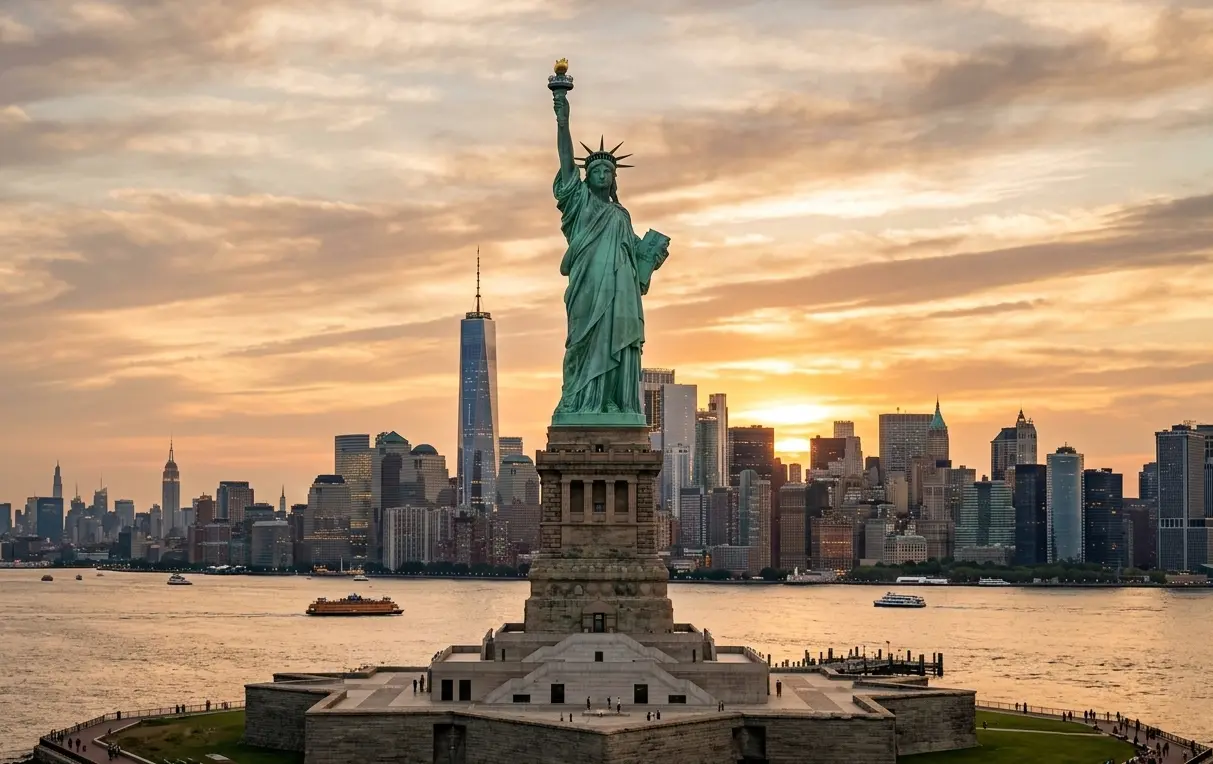
Standing proudly on Liberty Island in New York Harbor, the Statue of Liberty represents freedom, democracy, and opportunity.
Historical Background
Gifted by France in 1886, the statue commemorated the 100th anniversary of American independence. Designed by Frédéric Auguste Bartholdi, its internal framework was engineered by Gustave Eiffel.
Symbolism
- Torch: Enlightenment
- Tablet: Inscribed with July 4, 1776
- Broken chains: Liberation from oppression
Why It’s Globally Recognized
- Symbol of immigration and hope
- UNESCO World Heritage Site
- Major tourist attraction in New York City
3. Great Wall of China – China
Overview
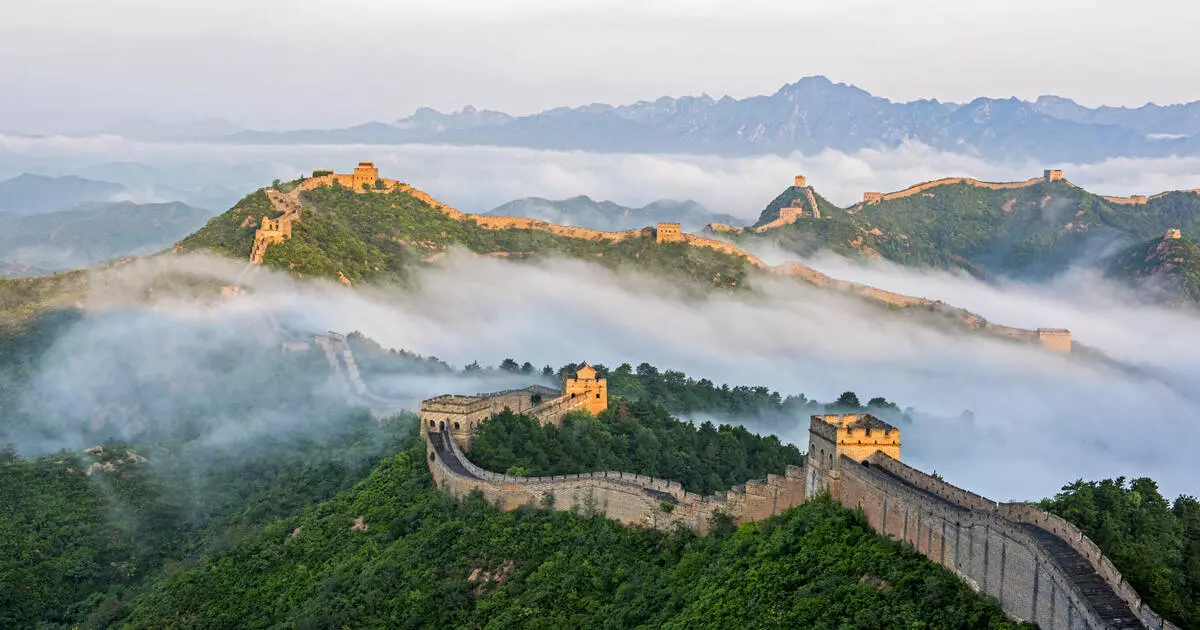
The Great Wall of China stretches over 21,000 kilometers (13,000 miles), making it one of the most extraordinary engineering achievements in history.
Historical Background
Built over several dynasties, especially during the Ming Dynasty, the wall was constructed to defend Chinese territories from invasions.
Architectural Features
- Watchtowers and fortresses
- Beacon towers for communication
- Strategic integration with mountain terrain
Why It’s Among the Top Tourist Attractions in the World
- One of the New Seven Wonders of the World
- Monumental scale and historical depth
- Symbol of Chinese civilization
4. Taj Mahal – India
Overview
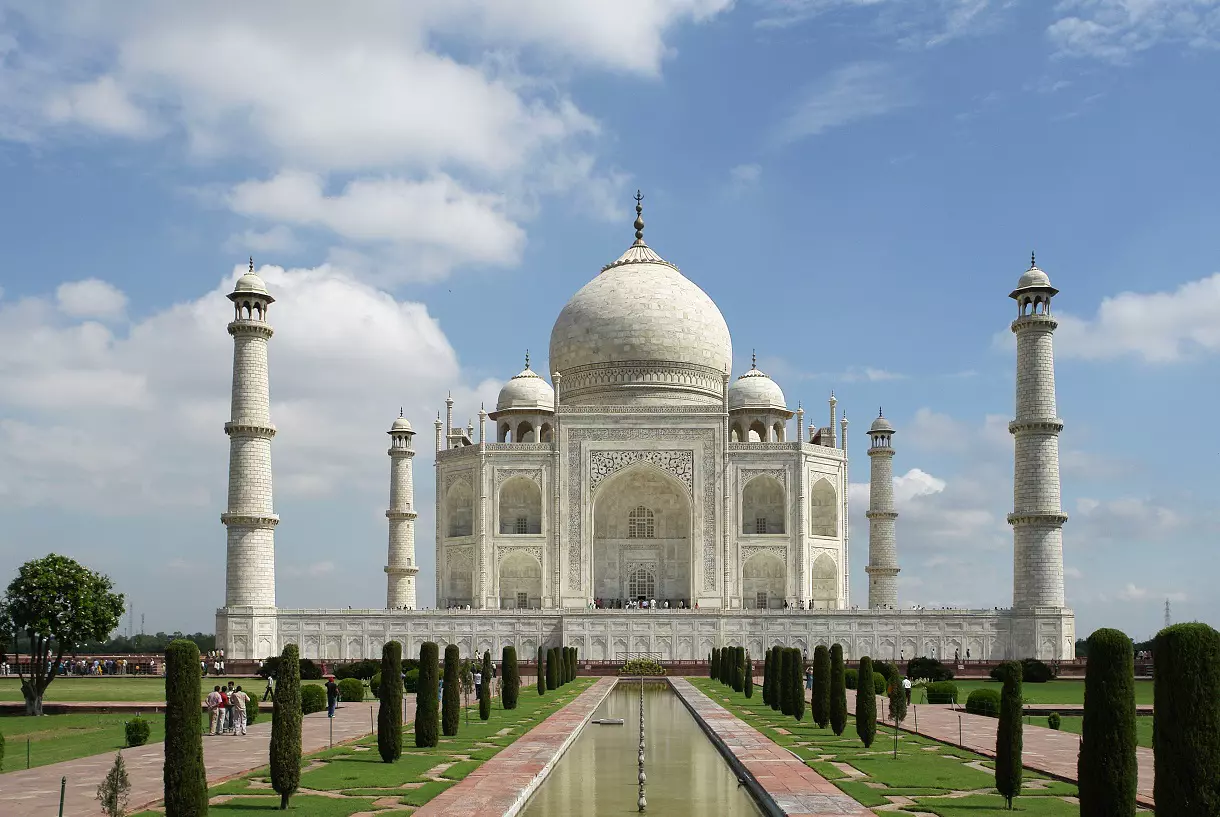
The Taj Mahal is one of the most beautiful buildings ever created. Located in Agra, India, this white marble mausoleum attracts millions of visitors annually.
Historical Background
Built between 1632 and 1653 by Emperor Shah Jahan in memory of his wife Mumtaz Mahal, it stands as a symbol of eternal love.
Architectural Highlights
- Perfect symmetrical Mughal design
- Marble inlaid with semi-precious stones
- Central dome rising 73 meters
- Persian-inspired gardens
Why It’s a World Wonder
- UNESCO World Heritage Site
- Icon of love and devotion
- Masterpiece of Islamic architecture
5. Colosseum – Italy
Overview
The Colosseum in Rome is the largest ancient amphitheater ever built and one of the most important landmarks of the Roman Empire.
Historical Background
Completed in 80 AD under Emperor Titus, it hosted gladiator battles, public spectacles, and animal hunts.
Engineering Excellence
- Capacity of up to 80,000 spectators
- Complex underground tunnels (hypogeum)
- Advanced crowd control system
Why It Remains Famous
- Symbol of ancient Rome
- Popular filming location
- Testament to Roman engineering
6. Pyramids of Giza – Egypt
Overview
The Pyramids of Giza are among the oldest and most mysterious landmarks in the world.
Historical Background
Constructed over 4,500 years ago as tombs for Pharaohs Khufu, Khafre, and Menkaure, the pyramids remain architectural marvels.
Fascinating Facts
- The Great Pyramid was the tallest structure in the world for nearly 4,000 years
- Built using over two million limestone blocks
- Precisely aligned with astronomical directions
Why They Attract Millions
- Only surviving Wonder of the Ancient World
- Cultural icon of Egypt
- Ongoing archaeological discoveries
7. Sydney Opera House – Australia
Overview
The Sydney Opera House is one of the most distinctive and photographed buildings in the world.
Architectural Design
- Designed by Danish architect Jørn Utzon
- Iconic sail-shaped roof
- Opened in 1973
Cultural Importance
- Hosts over 1,500 performances annually
- UNESCO World Heritage Site
- National symbol of Australia
8. Christ the Redeemer – Brazil
Overview
Christ the Redeemer stands atop Mount Corcovado, overlooking Rio de Janeiro.
Key Facts
- Height: 30 meters (98 feet)
- Completed in 1931
- Made of reinforced concrete and soapstone
Why It’s World-Famous
- Symbol of Christianity
- One of the New Seven Wonders of the World
- Stunning panoramic views
9. Machu Picchu – Peru
Overview
Machu Picchu is a 15th-century Inca citadel located high in the Andes Mountains.
Discovery
Rediscovered in 1911 by Hiram Bingham, the site had remained hidden for centuries.
Unique Characteristics
- Advanced dry-stone construction
- Agricultural terraces
- Sacred temples and plazas
Why It’s a Must-Visit Destination
- UNESCO World Heritage Site
- One of the New Seven Wonders of the World
- Incredible mountain scenery
10. Burj Khalifa – United Arab Emirates
Overview
At 828 meters (2,717 feet), the Burj Khalifa is the tallest building in the world.
Construction and Innovation
Completed in 2010, the tower represents Dubai’s ambition and modern engineering excellence.
Why It’s a Modern Icon
- Tallest structure on Earth
- Luxury residences and offices
- Observation decks offering breathtaking views
Why Famous Landmarks Are Important
Famous landmarks serve multiple essential purposes:
- Preserve global history
- Represent cultural identity
- Boost tourism economies
- Inspire architecture and innovation
- Educate future generations
They are not just buildings or monuments; they are living symbols of humanity’s creativity and ambition.
Frequently Asked Questions (FAQs) about Famous Landmarks in the World
1. What is the most famous landmark in the world?
Many consider the Eiffel Tower the most famous landmark due to its global recognition, romantic symbolism, and media presence.
2. Which landmark is the tallest in the world?
The Burj Khalifa is currently the tallest building in the world at 828 meters (2,717 feet).
3. What is the oldest landmark among the top 10?
The Pyramids of Giza are the oldest, built over 4,500 years ago during ancient Egyptian civilization.
4. Is the Great Wall of China really visible from space?
The Great Wall of China is not easily visible from space with the naked eye. This is a common myth.
5. Why was the Taj Mahal built?
The Taj Mahal was built by Emperor Shah Jahan in memory of his wife Mumtaz Mahal as a symbol of eternal love.
6. What was the Colosseum used for?
The Colosseum was used for gladiator contests, public spectacles, animal hunts, and entertainment during the Roman Empire.
7. Which landmark symbolizes freedom?
The Statue of Liberty is globally recognized as a symbol of freedom and democracy.
8. Where is Machu Picchu located?
Machu Picchu is located in the Andes Mountains of Peru at an elevation of about 2,430 meters (7,970 feet).
9. What makes the Sydney Opera House unique?
The Sydney Opera House is famous for its sail-shaped roof design and waterfront location in Sydney Harbour.
10. What does Christ the Redeemer represent?
The Christ the Redeemer symbolizes Christianity and peace, overlooking Rio de Janeiro, Brazil.
11. How many of these landmarks are UNESCO World Heritage Sites?
Most of them, including the Taj Mahal, Great Wall of China, Machu Picchu, and the Pyramids of Giza, are designated UNESCO World Heritage Sites.
12. Which landmark was once the tallest structure in the world?
The Great Pyramid within the Pyramids of Giza held the record as the tallest man-made structure for nearly 4,000 years.
13. How tall is the Eiffel Tower?
The Eiffel Tower stands approximately 330 meters (1,083 feet) tall.
14. Can visitors climb the Statue of Liberty?
Yes, visitors can access the pedestal and, with advance reservations, climb to the crown of the Statue of Liberty.
15. Why is Machu Picchu considered mysterious?
Machu Picchu is considered mysterious because historians are still debating its exact purpose and why it was abandoned.
16. Which landmark is considered a symbol of love?
The Taj Mahal is widely regarded as the ultimate symbol of love.
17. How long did it take to build the Great Wall of China?
Construction of the Great Wall of China took place over several dynasties, spanning more than 2,000 years.
18. What materials were used to build Christ the Redeemer?
The Christ the Redeemer was built using reinforced concrete and covered with soapstone.
19. Why is the Colosseum important today?
The Colosseum remains a powerful symbol of ancient Roman engineering and cultural history.
20. Why do famous landmarks matter globally?
Famous landmarks like the Burj Khalifa and the Eiffel Tower represent human creativity, innovation, history, and cultural identity. They attract millions of visitors and contribute significantly to global tourism and education.
Conclusion
The top 10 famous landmarks in the world reflect the diversity of human civilization—from ancient pyramids and Roman arenas to modern skyscrapers and artistic masterpieces. Each landmark tells a unique story about the people, culture, and history behind it.
Read more:
- List of National Parks in the United States 2026
- Malibu Weather by Month: A Complete Guide for Travelers