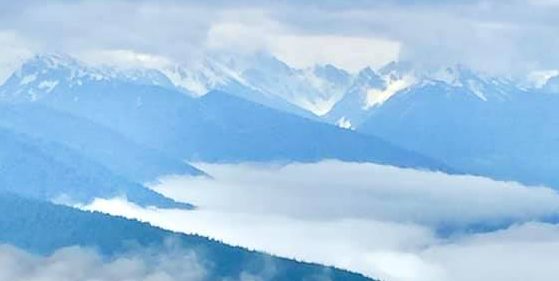
Welcome to Acadia National Park
Welcome to the Acadia National Park Information Guide
Here you will find all you need to know about the natural history of the park.
Learn about the geology, trees, mammals, birds, or other plants and wildlife of the area.
Where is Acadia National Park located?
Acadia National Park is located primarily on Mount Desert Island along the coast of Maine, USA. The park also encompasses parts of the Schoodic Peninsula and Isle au Haut, as well as several smaller islands. The main entrance to the park is in the town of Bar Harbor on Mount Desert Island. The park is situated about 160 miles (about 257 kilometers) northeast of Portland, Maine, and about 50 miles (about 80 kilometers) southeast of Bangor, Maine.
How to get to Acadia National Park?
To get to Acadia National Park, most visitors drive to Bar Harbor, Maine, located on Mount Desert Island.
The closest major airport is Bangor International (BGR), 50 miles away.
The closest airport to Acadia National Park is Hancock County-Bar Harbor Airport (BHB), located in Trenton, Maine, ~10 miles away.
When was Acadia National Park established?
In 1913, President Woodrow Wilson set aside 6000 acres (within what is now Acadia National Park) as Sieur de Monts National Monument. With the acquisition of more land and private support and funding, in 1919 President Wilson signed an act establishing Lafayette National Park. In 1929 the parks name was changed to Acadia.
Acadia National Park was established to protect the area’s spectacular scenic values, Maine’s rock bound coast, its coastal and its offshore islands as characterized by the geologic features, natural history and the native plant and animal life.
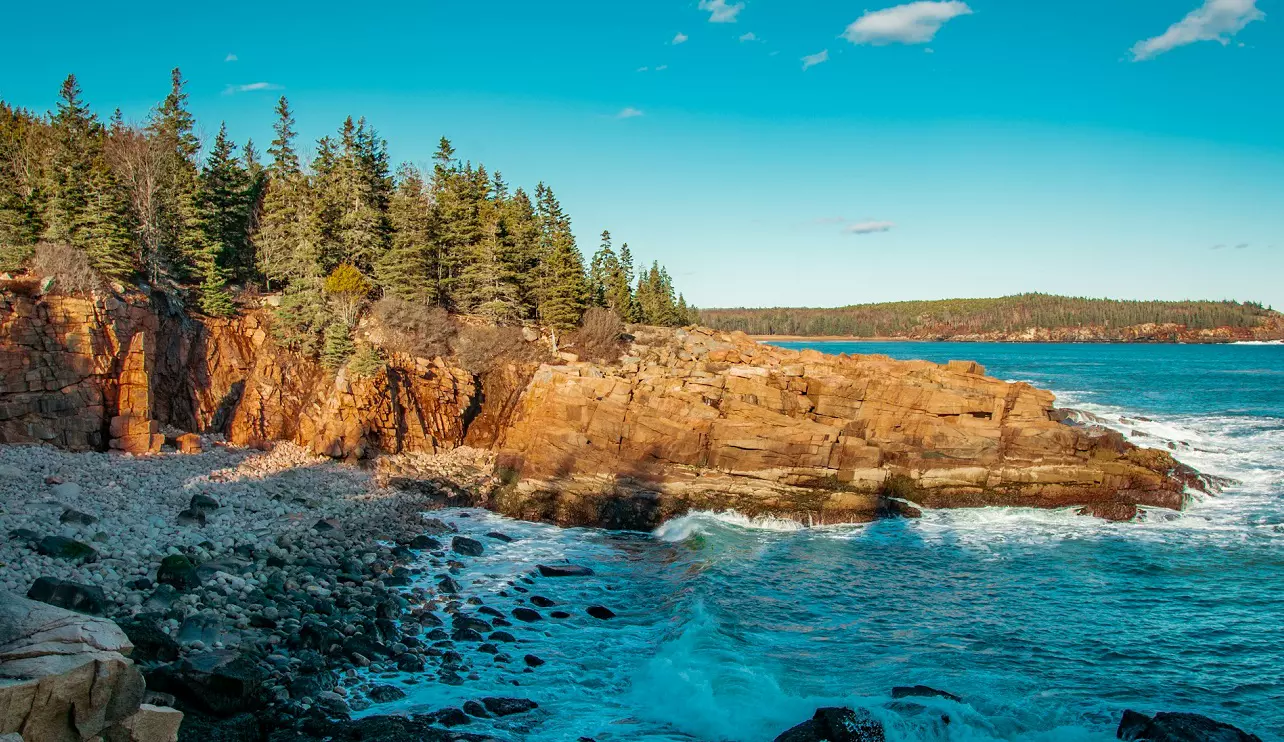
Who built the carriage roads? Who had the vision of a national park on this popular vacation coast land? This national park is unusual because it was neither carved out of public lands nor bought with public funds. It was envisioned and donated through the efforts of private citizens. Many people loved Mount Desert Island, Schoodic Peninsula and the nearby islands. Maine residents and summer visitors alike donated their time and resources to preserve Acadia’s beauty. George B. Dorr and Charles W. Eliot, a former president of Harvard University, saw danger of development and acted to avoid them. John D. Rockefeller, Jr., also played a critical role. He built the carriage roads and gave more than 11,000 acres, about one-third of the park’s area, to what became known as Acadia National Park.
Since 1986, the park has purchased small tracks of land and easements to define its permanent boundary and to preserve scenic values. Many landowners today continue in the tradition of the park’s founders by placing easements on their property that limit development.
Size and Visitation of Acadia National Park
The park encompasses 35,000 acres of beautiful seacoast, rocks, islands, forest, lakes and mountains for all to enjoy. Acadia is among the top 20 most visited National Parks and the majority of park visitors come in the summer and early fall.
History of Acadia National Park
Acadia, as the name suggests, was French before it was English and then American. French frigates hid from English men of war in Frenchman Bay, screened from detection by the Porcupine Islands. The French and English battled for possession of North America from 1613 until 1760. French explorer Samuel Champlain sailed into the Bay in 1604 and named this Mount Desert Island because of its landmark bare top.
The sea encircles the island, thrust inland, and often generates sea smoke and fog. In the midday sun its bright blue surface is studded with lobster buoys. In fog all is gray and muted. Somewhere out at sea, engines may mutter, but the lobster boat is blurred or lost in a formless world. Seen at sundown from Cadillac Mountain, the sea glows in soft pinks, mauve and gold. Gulls wing silently home to distant islands, and, like fireflies, navigational aids flash warnings from reefs, islands and headland. Between the sea and the forested mountains is the small, fascinating, almost nether world of the tidal zone. Twice daily exposed to air and drowned by sea water, it is a world of specially adapted organisms. Tidepools, pockets of seawater stranded in rock basins, are microhabitats brimming with life and exposed to view. In these natural aquariums you can watch marine animals going about their business. This zone of life occurs between low and high tides that average 11 to 12 feet. It is the primeval meeting place of earth and water.
Accessibility
Wheelchair accessible restrooms are located at Sieur de Monts Spring, Fabbri and Bear Brooks Picnic areas, the Thompson Island Information Center, Blackwoods Campground, Seawall Campground and picnic area, and Park Headquarters. Some trails, restrooms, and campsites are accessible. Sign language interpreter provided with two weeks notice of arrival, if funding is available. Script for audio visual presentation at visitor center available upon request.
Biking
Bicycles are not allowed off-road or on hiking trails. Some park carriage roads are open to biking. Wear a helmet, obey all biking regulations, dismount from your bike when approaching horses and signal when approaching other riders or walkers from the rear.
Boat Trips
Boat operators offer rentals, charters, cruises, and ferry service in nearby towns. More information may be obtained at the visitor centers.
Carriage Roads
Park carriage roads are open to walkers, equestrians, and bicyclists. Some routes are closed to horses. Others extend onto private lands, and these are closed to bicyclists. Carriage tours are available at Wildwood Stables.
Rules of the Road
- Stay to the right.
- Pass carefully to the left
- Yield to others. Don’t obstruct the entire carriage road when you ride or walk. Move to the side when stopping or taking a break.
- Be prepared to stop. Stay in control.
- Gravel surfaces are loose, quick stops are dangerous.
- Let sight distance, traffic, and conditions govern speed.
- Dressfor the weather and carry water.
- Use a map. Sign posts at carriage road intersections have numbers on them.
- Horses can occasionally be unpredictable. Move to the side and let them pass. Do not startle them.
- Cyclists: wear a helmet, and when approaching others from behind, call out or use your bell.
- Pets must be leashed. Use a short leash>
- Leave no trace. Carry out what you carry in.
Camping
Camping in Acadia National Park is an amazing experience—coastal views, granite mountains, and quiet forests—but it’s a bit different from many other U.S. national parks. Here’s a clear, practical guide to help you plan.
Where you can camp
Acadia has 4 official campgrounds (no wild/backcountry camping allowed):
Main campgrounds
- Blackwoods Campground – closest to popular spots like Bar Harbor
- Seawall Campground – quieter, on the “less crowded” west side
- Schoodic Woods Campground – newer, more remote, has some hookups
- Duck Harbor (Isle au Haut) – very remote, accessed by boat
👉 Camping is only allowed in these designated sites—you cannot camp freely anywhere in the park.
Reservations (VERY important)
- All campsites require advance booking online (Recreation.gov)
- No walk-ins or guaranteed same-day spots
- Sites are released:
- ~6 months in advance (most sites)
- ~14 days before (a smaller batch)
💡 Translation: if you want summer camping, book early or you’ll likely miss out.
Key rules you should know
- ❌ No backcountry or wild camping anywhere in Acadia
- ⛺ Max 6 people + 2 tents per site
- 🚿 No showers in most campgrounds
- 🔌 No hookups (except some at Schoodic Woods)
- 🔥 Fires only in designated fire rings
- 🐻 Store food securely (wildlife safety)
- 🔇 Quiet hours: 10 PM – 6 AM
What camping feels like
- Ocean waves at night (especially Seawall 🌊)
- Cool, breezy weather even in summer
- Easy access to hiking, biking, and sunrise spots
From campers on Reddit:
“Seawall campground is very nice… quiet… you can hear the ocean waves.”
Entrance Fees at Acadia National Park
To update fee at Acadia National Park 2026 you visit here: https://www.nps.gov/acad/planyourvisit/fees.htm
- Private Non-commercial Vehicle $ 35.00 (7 Day Pass)
- Individual Entry (Motorcycle) $ 30.00 (7 Day Pass)
- Personal $ 20.00 7 Day Pass)
- Gold Access Pass (Blind or permanently disabled individuals) Free (Lifetime – good in all natl parks)
- Golden Age Pass (1 time fee – for those 62+ years) $ 10.00 (Lifetime – good in all natl parks)
- National Park Pass (Good 1 year from date of purchase) $ 50.00 (Good in all natl parks)
- Golden Eagle Pass* (Good 1 year from date of purchase) $ 15.00 (Good in all natl parks)
Banks
In Acadia National Park, you can visit the following banks if you need financial services or loans:
- Bar Harbor Bank & Trust (201 Main Street Bangor, ME 04401, United States)
- First National Bank (223 Main St, Damariscotta, ME 04543, United States)
- Machias Savings Bank (4 Center St, Machias, ME 04654, United States)
- Camden National Bank (137 Maine St, Brunswick, ME 04011, United States)
If you are denied by these financial institutions, you are advised to apply for payday loans in Maine from direct lenders. Ensure you are informed about the rates and terms.
Fishing
During Jul and Aug, trout and salmon are found deep in the cooler waters of lakes and ponds on the Mount Desert Island. Special fishing gear often leads to greater success in catching cold water species in the summer. In cooler seasons, trout and salmon can be readily caught using common methods. Warm water species can be caught in several lakes and ponds throughout the year using common methods.
Food and Supplies
Food and supplies are available in nearby towns.
Best Hikes in Acadia National Park
Acadia offers some of the most scenic and diverse hiking on the U.S. East Coast—from easy coastal walks to adrenaline-pumping cliff climbs. Here’s a curated guide by difficulty:
Easy Hikes (Beginner-Friendly)
1. Ocean Path
- Distance: ~4.5 miles round trip
- Highlights: Coastal views, Thunder Hole, Sand Beach
👉 One of the most scenic and accessible walks in the park
- Distance: ~3.3 miles loop
- Highlights: Crystal-clear pond, views of the Bubbles
👉 Flat and perfect for families
3. Wonderland Trail
- Distance: ~1.5 miles round trip
- Highlights: Quiet coastal forest and shoreline
👉 Less crowded, great for a peaceful walk
Moderate Hikes
4. Gorham Mountain Trail
- Distance: ~3.5 miles loop
- Highlights: Panoramic ocean views, wildflowers
👉 Great balance of effort and reward
5. Cadillac Mountain North Ridge Trail
- Distance: ~4.4 miles round trip
- Highlights: Gradual climb to the highest point on the East Coast
👉 Best for sunrise hikers
6. Bubble Rock Trail (South Bubble)
- Distance: ~1 mile round trip
- Highlights: Famous glacial boulder perched on a cliff
👉 Short but iconic
Hard & Adventurous Hikes
7. Precipice Trail
- Distance: ~2.5 miles round trip
- Highlights: Iron rungs, steep cliffs, thrilling climb
👉 Not for beginners or those afraid of heights
8. Beehive Trail
- Distance: ~1.5 miles loop
- Highlights: Ladder climbs, exposed edges, epic views
👉 Short but intense adventure
9. Jordan Cliffs Trail
- Distance: ~5 miles loop
- Highlights: Cliff scrambling, fewer crowds
👉 A quieter alternative to Precipice
Hidden Gems
10. Ship Harbor Trail
- Distance: ~1.3 miles loop
- Highlights: Tidal pools, forest + ocean combo
👉 Great at low tide
11. Great Head Trail
- Distance: ~1.6 miles loop
- Highlights: Cliffs overlooking Sand Beach
👉 Amazing photography spot
Hiking Tips
- Start early—popular trails like Precipice & Beehive get crowded
- Wear proper shoes (many trails are rocky & steep)
- Check weather—conditions can change quickly near the coast
- Some trails close seasonally (falcon nesting on cliff routes)
- Bring water—limited services inside the park
Lodging
First thing to know: There are NO hotels or lodges inside the park itself—only campgrounds. Most visitors stay in nearby towns like Bar Harbor, which acts as the main gateway.
Best Places to Stay Near Acadia
Bar Harbor (most popular base)
This is the closest and most convenient town, with tons of options:
- The Maples Inn – cozy historic B&B within walking distance to town and close to park trails
- Acacia House – boutique-style stay with modern comfort
- Saltair Inn – waterfront B&B with scenic views and peaceful vibe
👉 Why stay here?
- Closest to main attractions
- Easy access to Park Loop Road
- Many restaurants, shops, tours
📌 Most visitors choose Bar Harbor because it has the widest range of lodging from hotels to vacation rentals.
Southwest Harbor / Quiet Side (less crowded)
- Harbor View Motel & Cottages – peaceful coastal stay with cottage options
👉 Why stay here?
- Fewer tourists
- More relaxed atmosphere
- Close to quieter hiking areas
Staying inside the park (camping only)
Acadia offers campgrounds such as:
- Blackwoods Campground
- Seawall Campground
- Schoodic Woods Campground
✔ Good for budget & nature lovers
❗ Must reserve early (especially summer
Permits
For fresh water fishing, a local Maine fishing permit is required. You can buy a one day or several day license. For salt water fishing, no license is required.
Pets
Pets must always be attended and under physical restraint (max leash length 6 feet). Pets are not allowed on ladder trails, beaches, inside public buildings, or on ranger programs.
Program and Activities
Within the park, there is a 27 mile drive on Park Loop Road, which encompasses shoreline, forest and mountain scenery. A cassette tape tour is available for rent or purchase at the visitor center. There are ranger-led programs, hiking, biking, shore exploration. There is ice fishing, snowmobiling, winter hiking and cross-country skiing in the winter. See the Calendar Page for more information.
Acadia National Park Weather
Summers are generally warm, cooling off at night, sometimes dry, sometimes rainy. Winters are very cold and snowy. Always be prepared for cool weather, dress in layers.
Frequently Asked Questions About Acadia National Park
General Information
1. Where is Acadia National Park located?
Acadia is located in the state of Maine, in the northeastern United States, primarily on Mount Desert Island.
2. What is Acadia known for?
It’s famous for its rugged coastline, granite peaks, scenic ocean views, and stunning sunrises from Cadillac Mountain.
3. When was Acadia established?
Acadia was established in 1916, making it one of the oldest national parks in the U.S.
4. How big is the park?
The park covers about 49,000 acres (198 km²).
5. What makes Acadia unique?
It is the first national park east of the Mississippi River.
🚗 Visiting & Access
6. What is the best time to visit Acadia?
The best time is from June to October, especially fall (September–October) for vibrant foliage.
7. How do I get to Acadia National Park?
The nearest airport is Bangor International Airport, about a 1-hour drive away.
8. Is there an entrance fee?
Yes, typically around $30 per vehicle for a 7-day pass.
9. Do I need a reservation to enter the park?
You don’t need a general reservation, but a vehicle reservation is required for Cadillac Mountain during peak season.
10. What are the park’s opening hours?
The park is open year-round, 24 hours a day, though some roads and facilities close in winter.
🏕️ Camping & Lodging
11. Are there campgrounds inside the park?
Yes, including Blackwoods, Seawall, and Schoodic Woods campgrounds.
12. Do I need to reserve campsites in advance?
Yes, reservations are highly recommended, especially in summer.
13. Are there hotels near Acadia?
Yes, nearby towns like Bar Harbor offer many hotels and inns.
14. Can I do backcountry camping?
No, backcountry camping is not allowed in Acadia.
15. Are RVs allowed in the park?
Yes, but size restrictions apply in some campgrounds.
🥾 Activities & Recreation
16. What are the best hiking trails?
Popular trails include Precipice Trail, Beehive Trail, and Jordan Pond Path.
17. Are there beginner-friendly hikes?
Yes, trails like Ocean Path and Jordan Pond Path are easy and scenic.
18. Can I go biking in the park?
Yes, Acadia has over 45 miles of carriage roads perfect for biking.
19. Are there guided tours available?
Yes, ranger-led programs and private tours are available.
20. What water activities can I do?
You can kayak, canoe, and swim in certain areas.
🌄 Scenic Highlights
21. What is Cadillac Mountain?
Cadillac Mountain is the highest point on the U.S. East Coast and a famous sunrise spot.
22. Where can I see the sunrise?
Cadillac Mountain is the most popular location for sunrise views.
23. What are the best scenic drives?
Park Loop Road offers some of the best views in the park.
24. What are must-see landmarks?
Jordan Pond, Thunder Hole, and Sand Beach are top attractions.
25. Are there good photography spots?
Yes, especially along the coast, at sunrise/sunset, and during fall foliage.
🐻 Wildlife & Nature
26. What animals can I see?
You may see deer, foxes, seabirds, and occasionally moose.
27. Are there dangerous animals?
There are no major dangerous predators like bears commonly found here.
28. What ecosystems exist in the park?
The park includes forests, mountains, lakes, and coastal ecosystems.
29. When is the best time to see wildlife?
Early morning and dusk are the best times.
30. Are there ranger-led programs?
Yes, especially during summer months.
🌦️ Weather & Seasons
31. What is the weather like in summer?
Mild and pleasant, with temperatures around 60–80°F (15–27°C).
32. Does it snow in winter?
Yes, winters are cold and snowy.
33. Is fall worth visiting?
Absolutely—fall foliage is one of Acadia’s biggest attractions.
34. Can I visit in winter?
Yes, activities include snowshoeing and cross-country skiing.
35. How should I prepare for weather?
Bring layers, as weather can change quickly.
⚠️ Rules & Safety
36. Are pets allowed?
Yes, but they must be leashed at all times.
37. What safety precautions should I take?
Stay on marked trails, bring water, and check weather conditions.
38. Are there dangerous trails?
Yes, trails like Precipice Trail are steep and exposed.
39. What should I do in an emergency?
Call 911 or contact park rangers.
40. Are drones allowed?
No, drones are prohibited in national parks.